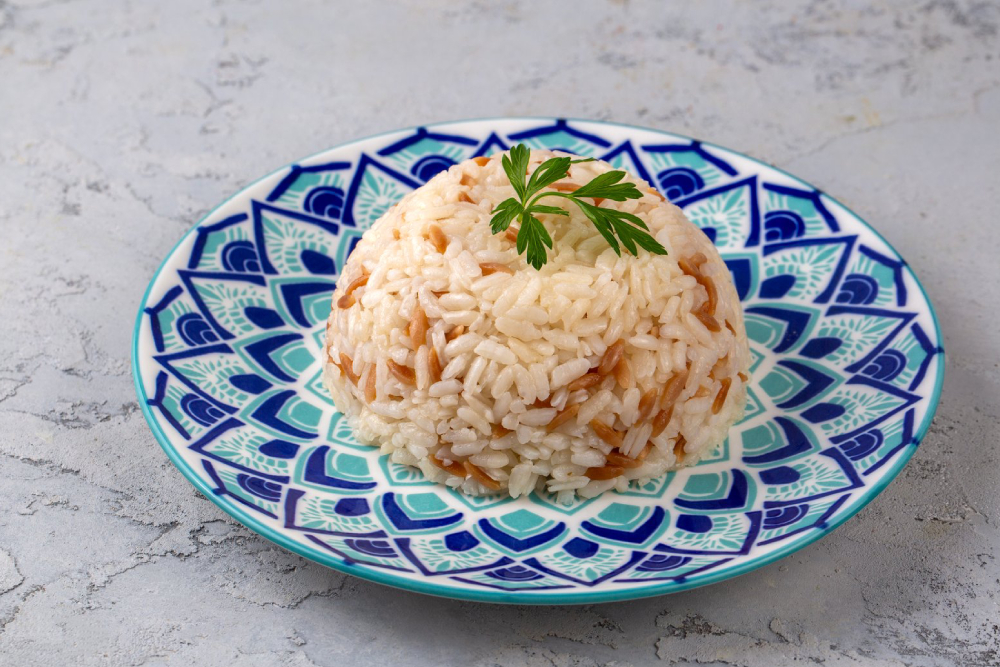


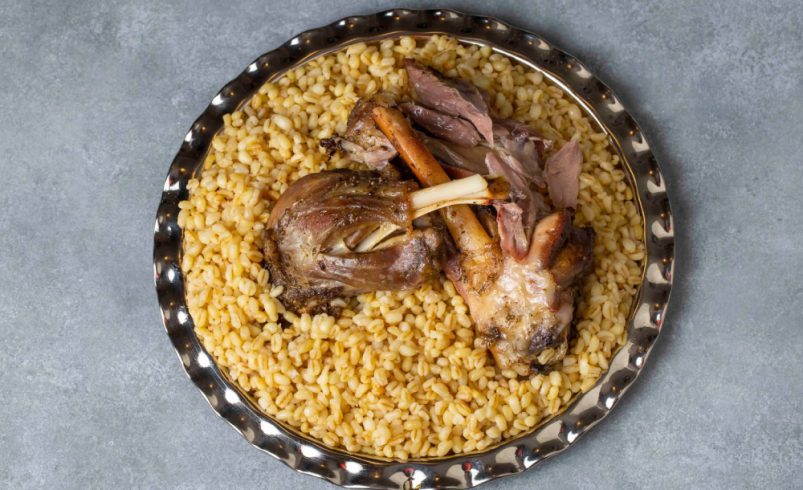

Arabic Lamb Kabsa is one of the most famous traditional dishes in Middle Eastern cuisine, especially popular in Saudi Arabia and surrounding regions. It is a rich, aromatic rice dish cooked with tender lamb, warm spices, tomatoes, and a fragrant broth that makes every bite deeply flavorful.
Kabsa is often considered a celebration dish, served at weddings, family gatherings, and special occasions. What makes it special is the combination of perfectly cooked basmati rice infused with meat stock and signature Arabic spices.
Unlike simple rice dishes, Kabsa is a complete meal—protein, rice, and spices all cooked together in one pot, creating a deep and layered flavor profile.
Why Arabic Lamb Kabsa is So Popular
Kabsa is loved across the world because:
- It is rich, aromatic, and flavorful
- It uses simple but bold spices
- It is a one-pot complete meal
- It is perfect for gatherings and family meals
- It has authentic Middle Eastern taste
The slow-cooked lamb combined with spiced rice makes it both comforting and luxurious.
Ingredients for Arabic Lamb Kabsa
To make authentic lamb kabsa, you need a combination of meat, rice, vegetables, and spices.
Main Ingredients:
- 500g–1kg lamb (bone-in preferred)
- 2 cups basmati rice
- 2 tbsp vegetable oil or ghee
- 1 large onion (sliced)
- 2 tomatoes (chopped)
- 1 tbsp tomato paste
- 4 cups water or lamb stock
Kabsa Spice Mix:
- 1 tsp cumin powder
- 1 tsp coriander powder
- 1 tsp black pepper
- 1 tsp paprika
- 1 tsp turmeric
- 1 tsp cinnamon powder or stick
- 2–3 cloves
- 3–4 cardamom pods
- Salt to taste
Optional Garnish:
- Fried almonds or cashews
- Raisins
- Fresh coriander
Step 1: Preparing the Lamb
Start by cleaning and cutting the lamb into medium pieces.
Tips:
- Use bone-in lamb for richer flavor
- Remove excess fat if needed
- Wash and pat dry before cooking
Bone-in meat enhances the broth and gives deeper taste.
Step 2: Browning the Meat
Browning is an important flavor-building step.
Method:
- Heat oil or ghee in a large pot
- Add lamb pieces
- Sear on high heat until browned on all sides
Why this matters:
- Locks in juices
- Adds depth of flavor
- Improves color of broth
Do not skip this step for authentic taste.
Step 3: Cooking the Base
Now build the flavor base of Kabsa.
Steps:
- Add sliced onions to the pot
- Cook until soft and golden
- Add garlic if desired
- Add chopped tomatoes and tomato paste
- Cook until mixture becomes thick and rich
This forms the flavorful base of the dish.
Step 4: Adding Spices
Now add Kabsa spice mix.
Method:
- Add all dry spices into the pot
- Stir well to coat meat and onion mixture
- Cook for 2–3 minutes
Tip:
Roasting spices in oil enhances aroma significantly.
Step 5: Slow Cooking the Lamb
Now add water or stock.
Steps:
- Pour 4 cups water or lamb stock
- Cover the pot
- Simmer on low heat for 45–60 minutes
Result:
- Meat becomes tender
- Broth becomes rich and flavorful
- Spices fully infuse into lamb
Slow cooking is essential for authentic Kabsa.
Step 6: Preparing the Rice
Basmati rice must be prepared properly.
Method:
- Wash rice 2–3 times
- Soak for 20–30 minutes
- Drain before adding
Soaking helps rice cook evenly and stay fluffy.
Step 7: Cooking Rice in Lamb Broth
This is the most important step.
Steps:
- Remove lamb pieces temporarily (optional)
- Add soaked rice into the pot
- Ensure broth level is about 1 inch above rice
- Cover and cook on low heat
Cooking time:
- 15–20 minutes until rice is tender
Do not stir during cooking to avoid breaking rice grains.
Step 8: Reuniting Lamb with Rice
Once rice is cooked:
Steps:
- Place lamb pieces on top of rice
- Cover again for 5–10 minutes
- Let steam finish cooking process
This allows flavors to blend perfectly.
Step 9: Garnishing Kabsa
Garnishing enhances both flavor and presentation.
Options:
- Fried onions
- Roasted nuts (almonds, cashews)
- Raisins
- Fresh coriander
This gives Kabsa a traditional festive look.
Step 10: Serving Arabic Lamb Kabsa
Kabsa is best served hot.
Serving ideas:
- With yogurt or raita
- With fresh salad
- With garlic sauce
- With lemon wedges
It is a complete meal on its own.
Common Mistakes to Avoid
Many people struggle with Kabsa due to small errors:
- Not browning meat properly
- Using too much water
- Overcooking rice
- Skipping spice balance
- Not soaking rice
Avoiding these mistakes ensures perfect results.
Pro Tips for Perfect Kabsa
- Use lamb with bones for richer flavor
- Always use basmati rice
- Cook spices in oil for full aroma
- Let dish rest before serving
- Use homemade stock instead of plain water
These tips elevate flavor significantly.
Variations of Kabsa
Kabsa can be customized in different ways:
Chicken Kabsa:
- Faster cooking time
- Lighter flavor
Beef Kabsa:
- Stronger and richer taste
Spicy Kabsa:
- Extra chili and pepper
Vegetable Kabsa:
- Meat replaced with vegetables and nuts
Nutritional Value
Arabic Lamb Kabsa provides:
- High protein from lamb
- Carbohydrates from rice
- Healthy fats from ghee or oil
- Essential minerals and energy
It is a balanced and filling meal.
Storage Tips
If you have leftovers:
- Store in airtight container
- Refrigerate for 2–3 days
- Reheat with a splash of water
- Avoid reheating multiple times
Proper storage maintains taste and texture.
Final Thoughts
Arabic Lamb Kabsa is a rich and flavorful Middle Eastern dish that combines aromatic spices, tender lamb, and perfectly cooked rice into one satisfying meal. It is a dish that brings families together and is perfect for special occasions.
With the right technique—browning meat, balancing spices, and slow cooking—you can easily recreate authentic Kabsa at home with restaurant-quality results.
Its deep aroma, fluffy rice, and tender meat make it one of the most beloved dishes in Arabic cuisine.