

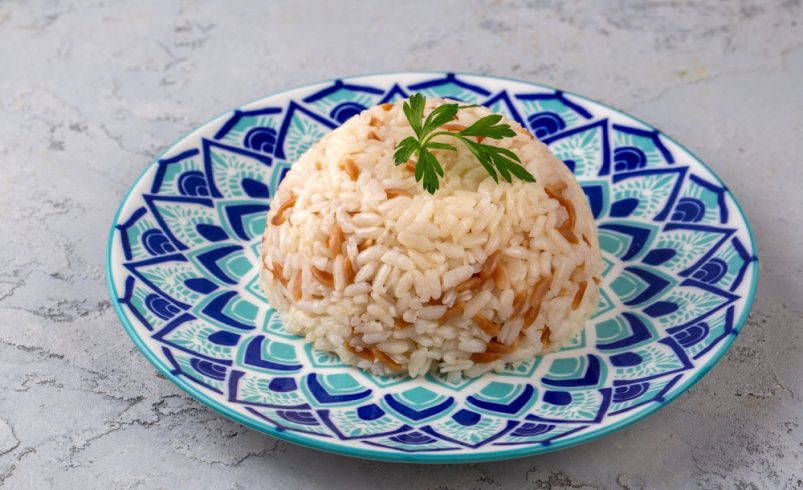

Turkish Rice Pilaf, also known as “Pilav,” is one of the most iconic side dishes in Turkish cuisine. It is simple yet incredibly flavorful, made with rice, butter, and sometimes orzo (vermicelli-style pasta) for added texture and aroma.
Unlike plain boiled rice, Turkish pilaf is rich, buttery, and perfectly fluffy. It is commonly served alongside kebabs, grilled meats, stews, and vegetable dishes. What makes it special is its light texture, nutty aroma, and balanced seasoning.
This recipe will guide you step by step to make authentic Turkish Rice Pilaf at home with restaurant-quality results.
Why Turkish Rice Pilaf is So Popular
Turkish pilaf is loved around the world for many reasons:
- It is soft, fluffy, and non-sticky
- It has rich buttery flavor
- It pairs with almost every main dish
- It is easy to prepare
- It uses simple pantry ingredients
It is a staple in Turkish homes and restaurants because it perfectly complements grilled and saucy dishes.
Ingredients for Turkish Rice Pilaf
To make authentic pilaf, you need basic ingredients but proper technique.
Main Ingredients:
- 1 cup long grain rice (basmati or baldo rice)
- 2 tbsp butter
- 1 tbsp olive oil
- 2 cups chicken or vegetable stock (or water)
- Salt to taste
Optional Ingredients:
- 2 tbsp orzo (şehriye) or vermicelli
- 1 small onion (finely chopped)
- Black pepper (optional)
Step 1: Choosing the Right Rice
The type of rice is very important for perfect pilaf.
Best options:
- Basmati rice (light and fluffy)
- Turkish baldo rice (authentic choice)
Tips:
- Use long grain rice for best texture
- Avoid sticky rice varieties
- Always rinse rice before cooking
Good rice selection ensures non-sticky, fluffy pilaf.
Step 2: Washing and Soaking Rice
Rinsing rice removes excess starch.
Method:
- Wash rice 2–3 times until water runs clear
- Soak rice for 15–20 minutes
- Drain completely before cooking
Soaking helps rice cook evenly and become fluffier.
Step 3: Preparing the Base (Butter & Orzo)
The flavor of Turkish pilaf starts with the base.
Method:
- Heat butter and olive oil in a pan
- Add orzo or vermicelli (optional)
- Fry until golden brown
Why this step matters:
- Adds nutty flavor
- Improves aroma
- Gives authentic Turkish taste
Be careful not to burn the orzo.
Step 4: Adding Rice to the Base
Once orzo is golden, add drained rice.
Steps:
- Add rice to the pan
- Stir gently for 2–3 minutes
- Coat rice with butter mixture
This step helps seal the grains and improves texture.
Step 5: Adding Liquid
Now it is time to add stock or water.
Ratio:
- 1 cup rice = 2 cups liquid
Method:
- Add hot stock to rice
- Add salt and pepper
- Stir once gently
Using hot liquid helps maintain cooking temperature.
Step 6: Cooking the Rice Properly
Cooking technique is very important for fluffy pilaf.
Steps:
- Bring to boil
- Reduce heat to low
- Cover with lid tightly
- Cook for 12–15 minutes
Important tip:
Do not open the lid while cooking. Steam is essential for proper texture.
Step 7: Resting the Rice
After cooking, resting is very important.
Method:
- Turn off heat
- Keep lid closed
- Let rest for 10 minutes
Why resting matters:
- Steam settles
- Rice becomes fluffy
- Flavors blend properly
This step improves final texture significantly.
Step 8: Fluffing the Rice
After resting, gently fluff rice.
Method:
- Use a fork instead of spoon
- Gently separate grains
- Avoid smashing rice
Fluffing ensures light and airy texture.
Step 9: Serving Turkish Rice Pilaf
Turkish pilaf is usually served as a side dish.
Best pairings:
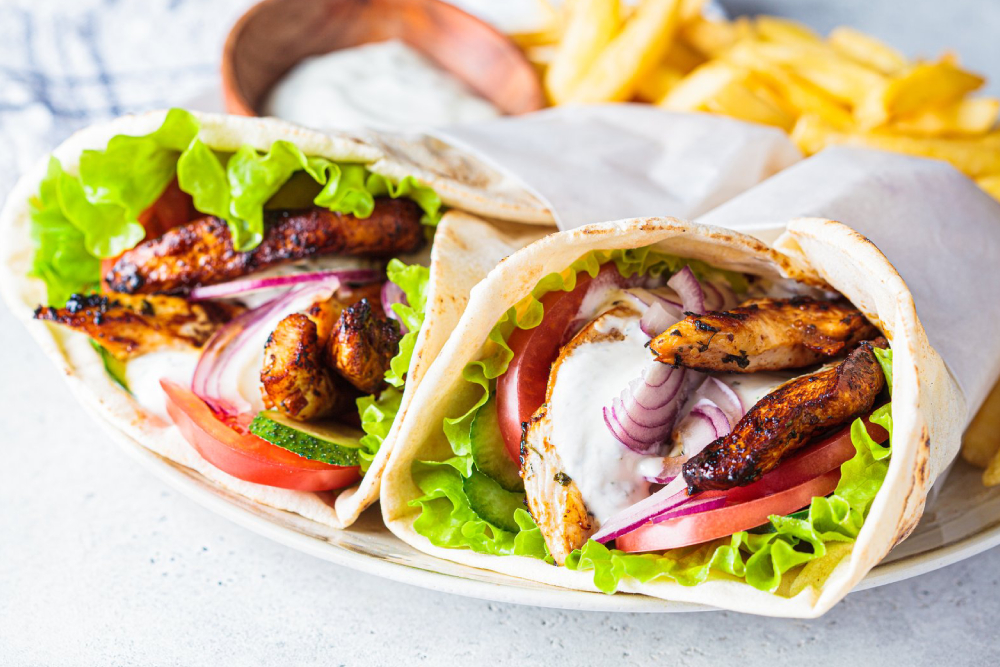
- Grilled chicken
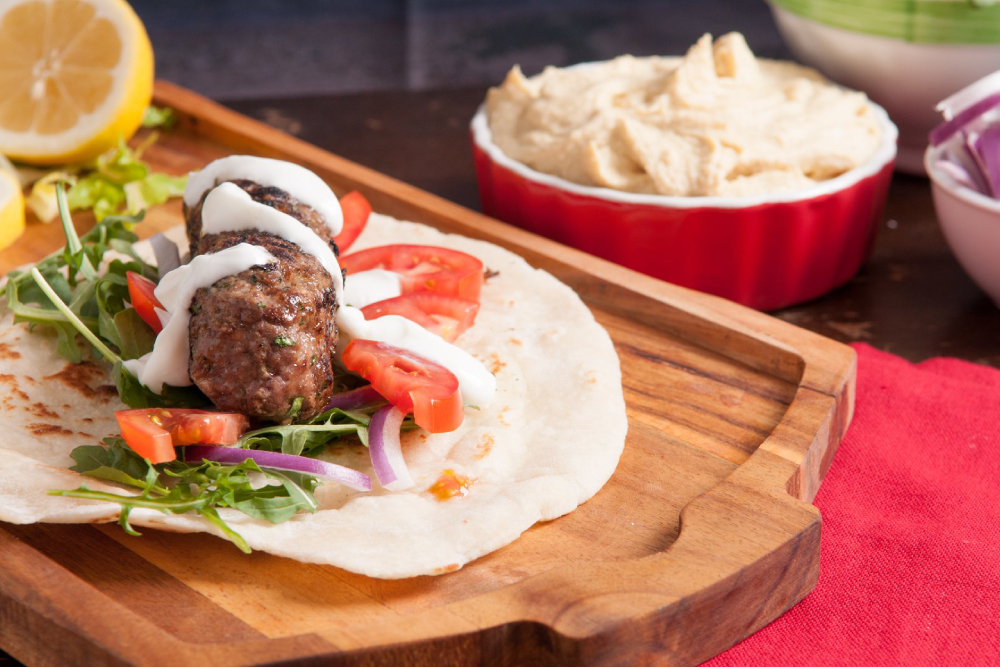
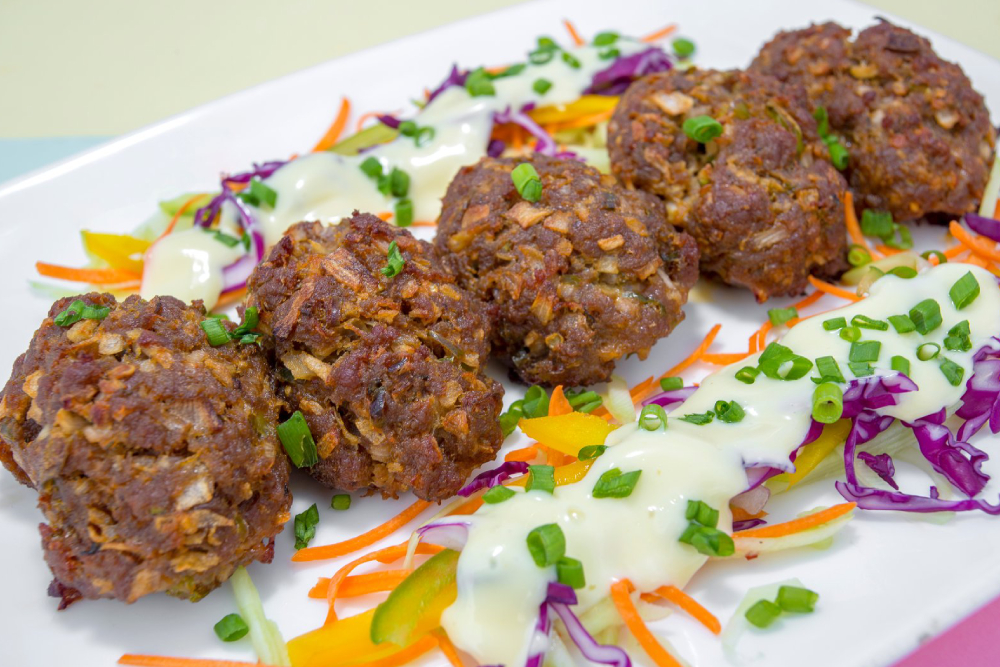
- Lamb kofta
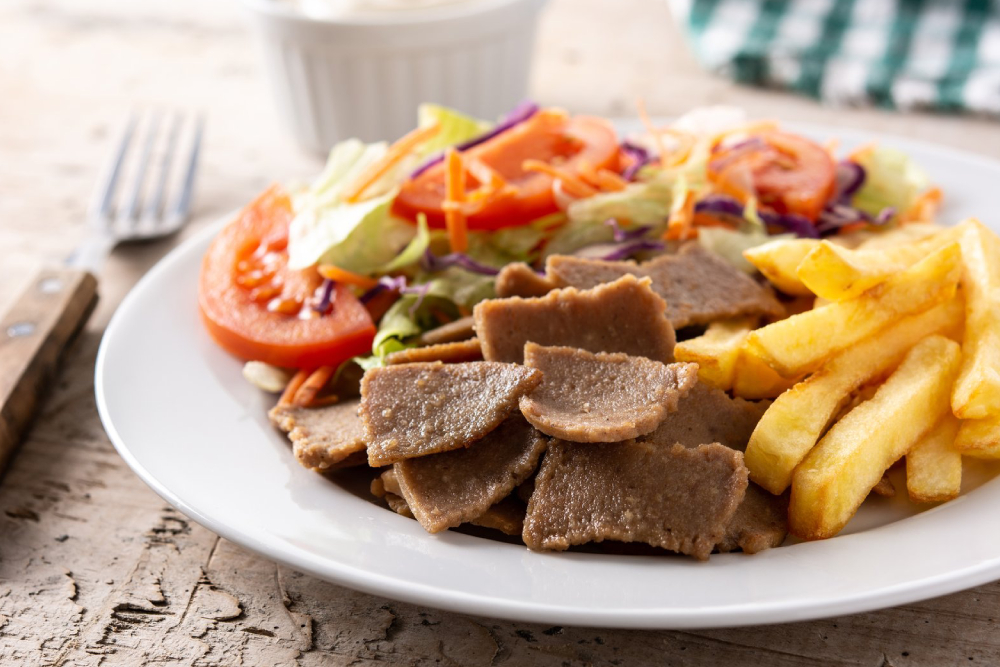
- Turkish doner kebab
- Beef stew
- Vegetable curry
Presentation tip:
Serve warm with fresh herbs and lemon wedge for restaurant-style look.
Common Mistakes to Avoid
Many people struggle with pilaf due to small mistakes:
- Not washing rice properly
- Using wrong rice-to-water ratio
- Stirring too much during cooking
- Opening lid while cooking
- Skipping resting time
Avoiding these mistakes ensures perfect pilaf every time.
Pro Tips for Perfect Turkish Rice Pilaf
- Always use butter for authentic taste
- Add orzo for traditional texture
- Use hot stock instead of cold water
- Keep flame low during cooking
- Rest rice before serving
These small tips make a big difference in quality.
Variations of Turkish Rice Pilaf
You can customize pilaf in different ways:
Chicken Pilaf:
- Cook rice in chicken stock
- Add shredded chicken
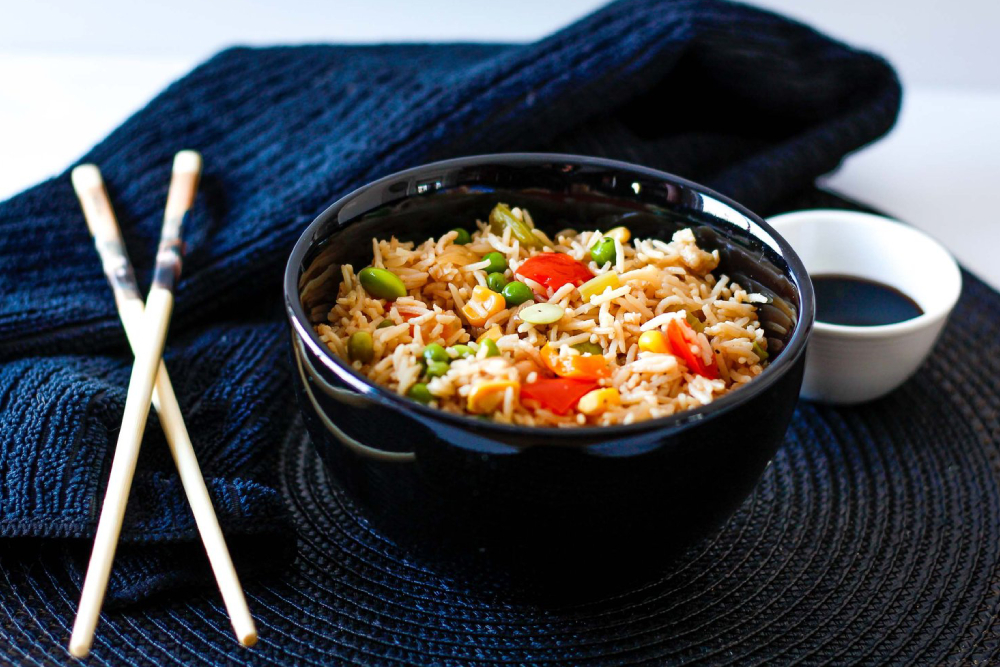
Vegetable Pilaf:
- Add carrots, peas, or corn
- Use vegetable stock
Spicy Pilaf:
- Add black pepper and chili flakes
- Serve with spicy meats
Butter Rich Pilaf:
- Increase butter quantity slightly
- Extra creamy flavor
Nutritional Value
Turkish rice pilaf provides:
- Carbohydrates for energy
- Healthy fats (from butter and oil)
- Small protein content
- Easily digestible meal base
It is a balanced side dish when paired with protein-rich foods.
Storage Tips
If you have leftovers:
- Store in airtight container
- Refrigerate for 2–3 days
- Reheat with a splash of water
- Avoid reheating multiple times
Proper storage keeps rice soft and fresh.
Final Thoughts
Turkish Rice Pilaf is a simple yet elegant dish that transforms basic rice into a flavorful, buttery, and fluffy masterpiece. With the right technique—washing, sautéing, proper liquid ratio, and resting—you can achieve restaurant-quality results at home.
It is a perfect side dish that complements almost any main course, especially grilled and spiced foods.
Once you master this recipe, it becomes a staple in your kitchen.