


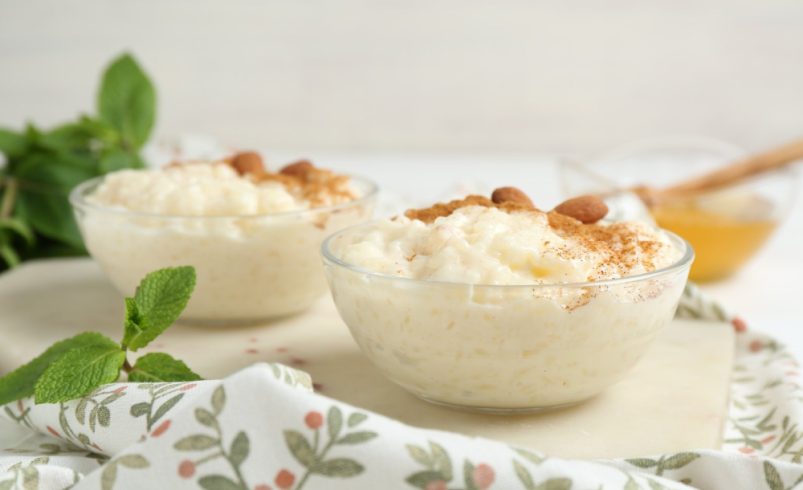

Classic Kheer Rice Pudding is one of the most traditional and beloved desserts in South Asian cuisine. It is a creamy, slow-cooked rice pudding made with milk, sugar, and aromatic spices like cardamom. This dessert has been enjoyed for generations and is commonly prepared during festivals, family gatherings, weddings, and religious celebrations such as Eid.
What makes kheer so special is its simplicity. It uses very basic ingredients—rice, milk, and sugar—but transforms them into a rich, luxurious dessert through slow cooking and patience. The texture is creamy, slightly thick, and comforting, while the aroma of cardamom and nuts gives it a festive feel.
Unlike modern desserts that rely on complex techniques, kheer is all about slow cooking, stirring, and allowing flavors to develop naturally over time.
Why Kheer is a Timeless Dessert
Kheer is not just a dessert; it is a cultural symbol in many South Asian households. It is often associated with celebrations, blessings, and togetherness.
One of the reasons kheer has remained popular for centuries is its versatility. It can be served hot, warm, or chilled depending on preference. It can also be customized with ingredients like nuts, saffron, or rose water.
Another reason for its popularity is that it is budget-friendly and made from ingredients that are commonly available in every kitchen.
Kheer is also considered a comfort food, especially during cold weather or special family dinners.
Nutritional Value of Kheer
Although kheer is a dessert, it also provides some nutritional benefits:
- Milk provides calcium, protein, and vitamins
- Rice provides carbohydrates for energy
- Nuts provide healthy fats and minerals
- Cardamom aids digestion
- Saffron (if used) contains antioxidants
However, it is still a sugar-based dessert, so it should be consumed in moderation.
Ingredients for Classic Kheer
To prepare authentic Classic Kheer Rice Pudding, you will need:
- Basmati rice (or short-grain rice for creamier texture)
- Full-fat milk (important for richness)
- Sugar
- Green cardamom pods or powder
- Saffron strands (optional but traditional)
- Almonds (sliced)
- Pistachios (chopped)
- Raisins (optional)
- Rose water (optional for fragrance)
The quality of milk is very important because it directly affects the creaminess of the kheer.
Preparing the Rice
Start by washing the rice thoroughly under running water until the water runs clear. This removes excess starch and prevents clumping.
After washing, soak the rice for 20–30 minutes. Soaking helps the rice cook faster and break down better during slow cooking, which creates a creamier texture.
Once soaked, drain the rice and set it aside.
Cooking the Base Milk
In a heavy-bottomed pot, pour full-fat milk and bring it to a gentle boil.
It is important to use a thick-bottomed pot to prevent milk from burning at the bottom.
Once the milk starts boiling, reduce the heat to low and allow it to simmer gently.
This slow simmering is the foundation of good kheer.
Adding Rice to Milk
Add the soaked rice into the simmering milk.
Stir gently to prevent sticking at the bottom.
At this stage, the rice will slowly begin to absorb milk and soften.
Keep the flame low and continue stirring occasionally.
This process takes time but is essential for achieving the perfect creamy consistency.
Slow Cooking Process
Kheer requires patience. Let the rice cook slowly in milk for about 30–45 minutes.
As it cooks, the milk will reduce and thicken naturally.
The rice will break down slightly, giving kheer its signature creamy texture.
Keep stirring every few minutes to prevent burning and sticking.
If the mixture becomes too thick too quickly, you can add a little more milk.
Adding Sugar and Flavor
Once the rice is fully cooked and the mixture has thickened, add sugar.
Stir well so the sugar dissolves completely.
At this stage, add crushed cardamom pods or cardamom powder for aroma.
If using saffron, soak it in warm milk first and then add it to the kheer.
These ingredients give kheer its signature fragrance and festive flavor.
Adding Nuts and Dry Fruits
Now add chopped almonds, pistachios, and raisins.
These not only enhance flavor but also add texture and richness.
Some people lightly roast the nuts before adding them for extra aroma.
Final Cooking Stage
Let the kheer simmer for another 10–15 minutes after adding sugar and nuts.
This helps all flavors blend together properly.
The final consistency should be creamy, slightly thick, but still pourable.
Remember, kheer thickens more as it cools.
Optional Flavor Enhancements
You can customize kheer in many ways:
- Add rose water for floral aroma
- Add condensed milk for extra richness
- Add coconut milk for a different twist
- Add extra nuts for crunch
Each variation gives a slightly different taste experience.
Serving Suggestions
Kheer can be served in multiple ways:
- Warm (freshly made comfort style)
- Chilled (for summer dessert)
- At room temperature (traditional serving style)
It is often served in small bowls and garnished with nuts and saffron strands.
Kheer pairs beautifully with festive meals and traditional dinners.
Tips for Perfect Kheer
- Always use full-fat milk for best creaminess
- Cook on low heat to avoid burning
- Stir regularly but gently
- Do not rush the process
- Remember kheer thickens after cooling
Common Mistakes to Avoid
- Cooking on high heat (burns milk)
- Not stirring frequently
- Adding sugar too early
- Using too little milk
- Skipping soaking of rice
Avoiding these mistakes ensures smooth, creamy kheer every time.
Variations of Kheer
There are many regional and modern versions:
Vermicelli Kheer
Made with fine noodles instead of rice.
Sabudana Kheer
Made with tapioca pearls, popular during fasting.
Coconut Kheer
Uses coconut milk for tropical flavor.
Dry Fruit Kheer
Extra rich version loaded with nuts.
Storage and Shelf Life
Kheer can be stored in the refrigerator for up to 2–3 days.
Before serving again, stir well and add a little milk if it has thickened too much.
Always keep it covered to maintain freshness.
Final Thoughts
Classic Kheer Rice Pudding is more than just a dessert—it is a tradition, a memory, and a symbol of celebration. Its creamy texture, rich aroma, and comforting taste make it one of the most loved sweets in South Asian cuisine.
With simple ingredients and slow cooking, anyone can create this timeless dessert at home and enjoy its authentic flavor.