


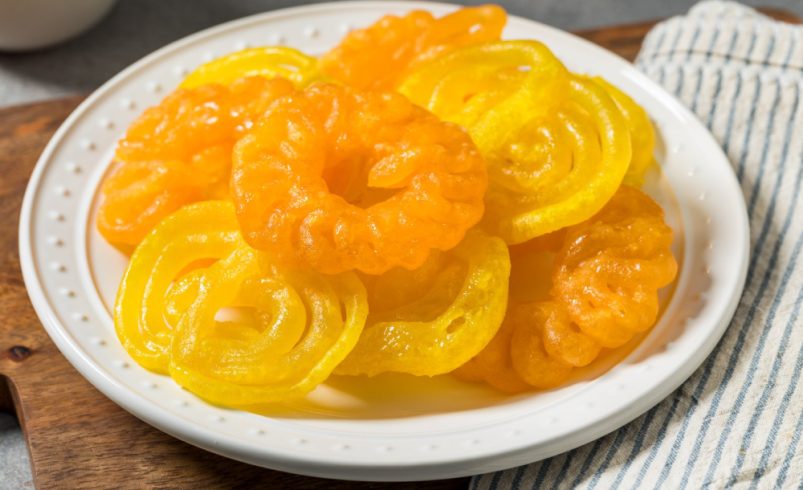

Traditional Jalebi Sweet is one of the most iconic and instantly recognizable desserts in South Asian cuisine. Known for its bright orange color, crispy spiral shape, and sugary syrup coating, jalebi is a dessert that is enjoyed fresh, hot, and dripping with sweetness.
It is commonly found in street food stalls, sweet shops, weddings, and festive occasions like Eid and Ramadan. Despite its simple ingredients, jalebi requires technique, timing, and practice to achieve the perfect crispy texture with juicy syrup inside.
What makes jalebi special is the contrast between its crunchy outer layer and soft, syrup-soaked interior. When made properly, every bite delivers a burst of sweetness and aroma.
Why Jalebi is So Popular
Jalebi is popular not only because of its taste but also because of its cultural presence. It is often associated with celebrations, morning breakfasts with milk or yogurt, and festive gatherings.
In many regions, jalebi is considered a comfort dessert. People enjoy it fresh from street vendors, especially when it is still warm and crispy.
Another reason for its popularity is its visual appeal. The spiral shapes and glossy syrup coating make it one of the most attractive traditional sweets.
Nutritional Overview of Jalebi
Jalebi is an energy-dense dessert because it is made from refined flour and deep-fried in oil, then soaked in sugar syrup.
It provides quick energy due to high sugar content, but it should be consumed in moderation.
Main nutritional aspects include:
- High carbohydrates (from flour and sugar)
- High sugar content (energy boost)
- Moderate fats (from frying oil)
- Very low protein
Because of this, jalebi is best enjoyed as an occasional treat rather than a daily food.
Ingredients for Traditional Jalebi
To prepare authentic Traditional Jalebi, you need:
For Batter:
- All-purpose flour (maida)
- Cornflour (for crispiness)
- Yogurt (for fermentation and slight tang)
- Water
- Baking soda or yeast (for light fermentation)
For Sugar Syrup:
- Sugar
- Water
- Cardamom pods
- Lemon juice (prevents crystallization)
- Saffron or food color (optional but traditional)
- Rose water (for fragrance)
For Frying:
- Oil or ghee
Preparing the Jalebi Batter
Start by mixing all-purpose flour, cornflour, and yogurt in a bowl.
Add a small amount of water and whisk until you get a smooth, thick batter.
The batter should not be too runny or too thick—it should flow slowly when poured.
Add a pinch of baking soda or yeast to help fermentation.
Let the batter rest for 8–12 hours (or overnight) for slight fermentation. This step improves texture and gives jalebi a slight tangy flavor.
Preparing the Sugar Syrup
In a separate pan, add sugar and water in equal ratio.
Heat until sugar completely dissolves.
Add cardamom pods for aroma and a few drops of lemon juice to prevent crystallization.
You can also add saffron strands or orange food color for traditional appearance.
Boil the syrup until it reaches a slightly sticky consistency—not too thick, not too watery.
Keep the syrup warm during frying process.
Checking Batter Consistency
After fermentation, check the batter. It should be slightly airy and smooth.
If it becomes too thick, add a little water. If too thin, adjust with a small amount of flour.
Proper consistency is important for forming perfect spiral shapes.
Frying the Jalebi
Heat oil or ghee in a flat pan on medium heat.
Pour the batter into a piping bag or squeeze bottle.
Now pipe the batter into hot oil in circular spiral shapes.
Fry on medium heat until jalebi becomes golden and crispy.
Flip carefully to ensure even cooking on both sides.
The key is maintaining consistent oil temperature—too hot will burn, too low will make it soggy.
Soaking in Sugar Syrup
Immediately after frying, transfer jalebi into warm sugar syrup.
Let it soak for 30–60 seconds depending on desired sweetness.
Do not soak too long, or it will lose crispiness.
Remove and place on a rack or tray to allow excess syrup to drip.
Serving Suggestions
Traditional Jalebi Sweet is best served hot and fresh.
It can be enjoyed with:
- Warm milk (traditional breakfast style)
- Rabri (thickened sweet milk)
- Tea or chai
- As a standalone dessert
Fresh jalebi has the best texture—crispy outside and juicy inside.
Tips for Perfect Jalebi
- Batter fermentation is very important
- Oil temperature must be medium and stable
- Do not over-soak in syrup
- Use fresh batter for best results
- Pipe consistent shapes for even cooking
Common Mistakes
- Batter too runny → jalebi loses shape
- Oil too hot → burns quickly
- Oil too cold → absorbs too much oil
- Syrup too thick → no proper absorption
- Over-soaking → loss of crispiness
Variations of Jalebi
Instant Jalebi
Made without fermentation using baking soda for quick preparation.
Rabri Jalebi
Served with thick creamy rabri for extra richness.
Chocolate Jalebi
Modern twist with chocolate coating.
Mini Jalebi
Smaller bite-sized versions for snacks.
Storage and Freshness
Jalebi is best eaten fresh. However, it can be stored for 1–2 days in an airtight container.
To reheat, lightly warm in a pan without oil to restore slight crispiness.
Final Thoughts
Traditional Jalebi Sweet is a timeless dessert that combines simplicity, technique, and cultural heritage. Its crispy texture, syrupy sweetness, and festive appeal make it one of the most loved sweets in the region.
While it requires practice to perfect, once mastered, jalebi becomes a rewarding dessert that brings joy to every occasion.