



Fresh vegetables are an essential part of a healthy diet. They provide vitamins, minerals, fiber, and natural nutrients that support overall health. However, one common problem in every kitchen is that vegetables spoil too quickly if not stored properly.
Many people buy fresh vegetables for the week, but within a few days they become soft, wilted, or spoiled. This leads to food waste, loss of nutrients, and extra expenses.
Learning how to store fresh vegetables longer helps you maintain freshness, reduce waste, and save money while ensuring your meals remain healthy and delicious.
With the right storage methods, vegetables can stay crisp, fresh, and usable for much longer than usual.
Why Vegetables Spoil Quickly
Vegetables start losing freshness due to natural processes like:
- Moisture loss
- Exposure to air
- Bacterial growth
- Temperature changes
- Ethylene gas from fruits
Each vegetable has a different shelf life depending on its moisture content and structure.
Leafy vegetables spoil faster, while root vegetables last longer.
Step 1: Sorting Vegetables Properly
Before storing vegetables, sorting is very important.
What to do:
- Separate damaged or spoiled vegetables
- Keep leafy greens separate from root vegetables
- Remove any dirt or extra moisture
- Do not store all vegetables together
One spoiled vegetable can affect the freshness of others, so sorting is the first step to longer storage.
Step 2: Do Not Wash Before Storing (Most Cases)
A common mistake is washing vegetables before storing them.
Why this is wrong:
- Extra moisture leads to faster spoilage
- Encourages mold growth
- Reduces shelf life
Exception:
Some leafy vegetables can be lightly washed and dried thoroughly before refrigeration.
Always ensure vegetables are completely dry before storage.
Step 3: Proper Refrigerator Temperature
Temperature control is key for keeping vegetables fresh.
Ideal fridge temperature:
1°C to 4°C
This slows down bacterial growth and maintains crispness.
Avoid placing vegetables in warm areas of the fridge.
Step 4: Using the Right Storage Bags
The type of storage bag or container matters a lot.
Best options:
- Perforated plastic bags
- Paper bags
- Airtight containers
- Zip-lock bags with air holes
Why they work:
They help control moisture while allowing slight airflow, preventing rot.
Step 5: Storing Leafy Vegetables Properly
Leafy vegetables like spinach, lettuce, and coriander spoil quickly.
Storage method:
- Wrap in paper towel
- Place in a perforated bag
- Store in fridge drawer
Tip:
Paper towel absorbs extra moisture, keeping leaves fresh and crisp longer.
Step 6: Storing Root Vegetables
Root vegetables last longer and require less care.
Examples:
- Potatoes
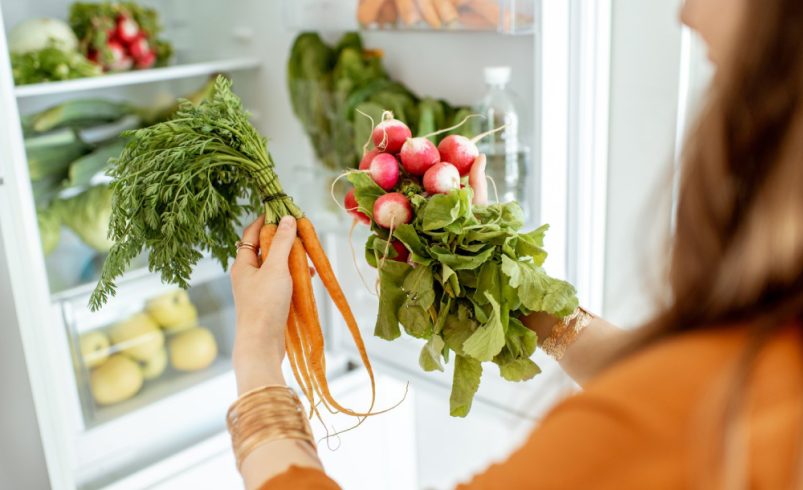
- Carrots
- Onions
- Garlic
Storage method:
- Keep in cool, dark place
- Avoid direct sunlight
- Store in ventilated baskets or mesh bags
Important tip:
Do not store potatoes and onions together, as they affect each other’s freshness.
Step 7: Avoid Ethylene Gas Exposure
Some fruits release ethylene gas, which speeds up ripening and spoilage.
High ethylene producers:
- Bananas
- Apples
- Tomatoes
Effect on vegetables:
- Faster spoilage
- Wilting
- Loss of freshness
Solution:
Keep vegetables away from ethylene-producing fruits.
Step 8: Proper Humidity Control
Moisture control is important for vegetable storage.
High moisture vegetables:
- Leafy greens
- Cucumbers
Low moisture vegetables:
- Onions
- Garlic
Too much moisture causes rot, while too little causes drying.
Using paper towels or breathable bags helps maintain balance.
Step 9: Freezing Vegetables for Long-Term Storage
Some vegetables can be frozen for extended shelf life.
Best vegetables for freezing:
- Peas
- Beans
- Carrots
- Spinach
Method:
- Wash and cut vegetables
- Blanch them in hot water for 2–3 minutes
- Cool immediately in ice water
- Store in freezer bags
This method preserves color, texture, and nutrients.
Step 10: Storing Cut Vegetables
Cut vegetables spoil faster than whole ones.
Storage tips:
- Store in airtight containers
- Keep refrigerated immediately
- Use within 1–2 days
Adding a damp paper towel helps retain moisture.
Common Mistakes in Vegetable Storage
Many people unknowingly reduce vegetable freshness by making simple mistakes:
- Washing vegetables before storing
- Keeping damaged vegetables with fresh ones
- Storing all vegetables together
- Ignoring fridge temperature
- Using sealed plastic without airflow
Avoiding these mistakes can significantly extend freshness.
Pro Tips for Keeping Vegetables Fresh Longer
- Always store vegetables dry
- Use separate storage for different types
- Check and remove spoiled pieces regularly
- Use fridge vegetable drawers properly
- Store herbs in water like fresh flowers
These habits make a big difference in freshness and shelf life.
How Long Vegetables Stay Fresh
Approximate storage durations:
- Leafy greens: 3–5 days
- Tomatoes: 5–7 days
- Carrots: 2–3 weeks
- Onions: 3–4 weeks
- Potatoes: 2–4 weeks
Proper storage can significantly extend these durations.
Nutritional Value and Freshness
Fresh vegetables contain:
- Vitamins (A, C, K)
- Minerals (iron, potassium)
- Fiber
- Antioxidants
Improper storage reduces nutrient value over time. Keeping vegetables fresh ensures maximum health benefits.
Benefits of Proper Vegetable Storage
- Reduces food waste
- Saves money
- Improves meal quality
- Maintains nutrition
- Makes cooking easier
Good storage habits lead to better kitchen management.
Final Thoughts
Storing Fresh Vegetables Longer is an essential kitchen skill that helps maintain freshness, reduce waste, and improve daily cooking efficiency.
By understanding moisture control, temperature, proper packaging, and separation techniques, you can keep vegetables crisp, nutritious, and ready to use for days or even weeks.
A well-organized kitchen not only saves time but also ensures healthier meals for you and your family.