

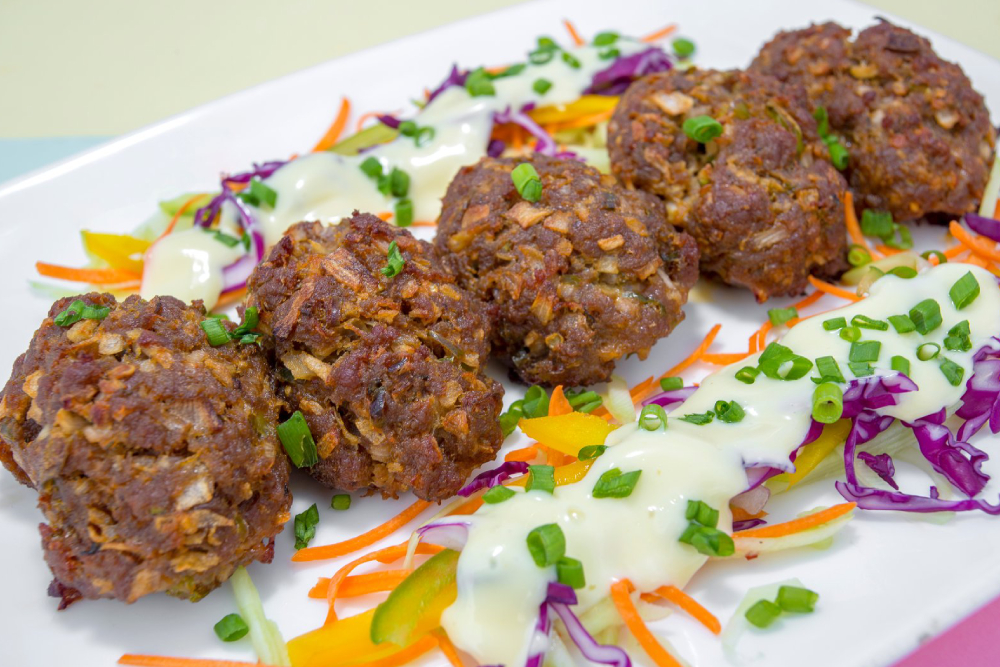
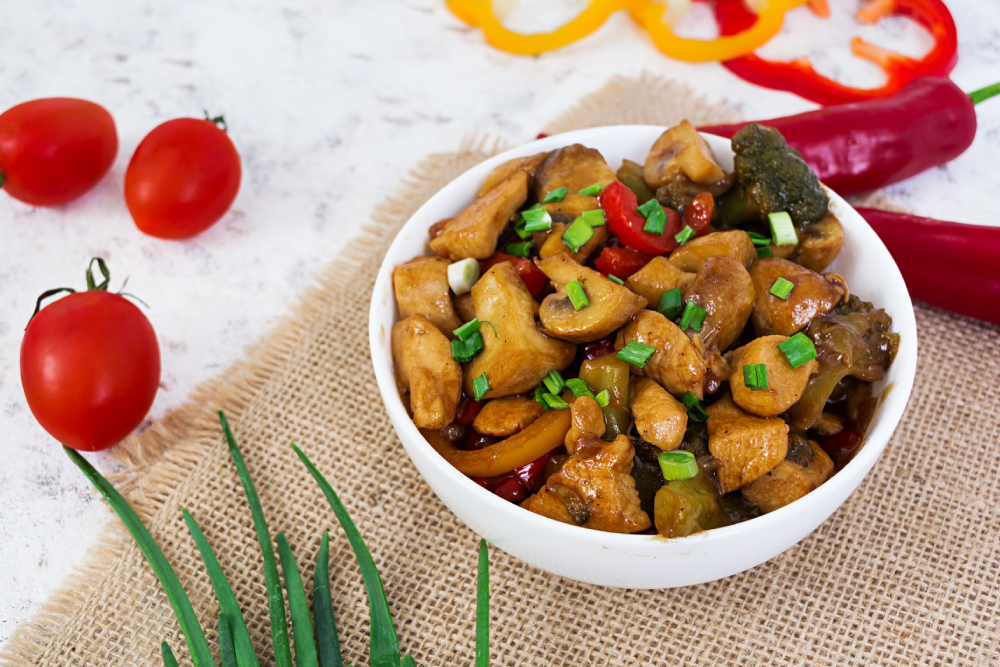
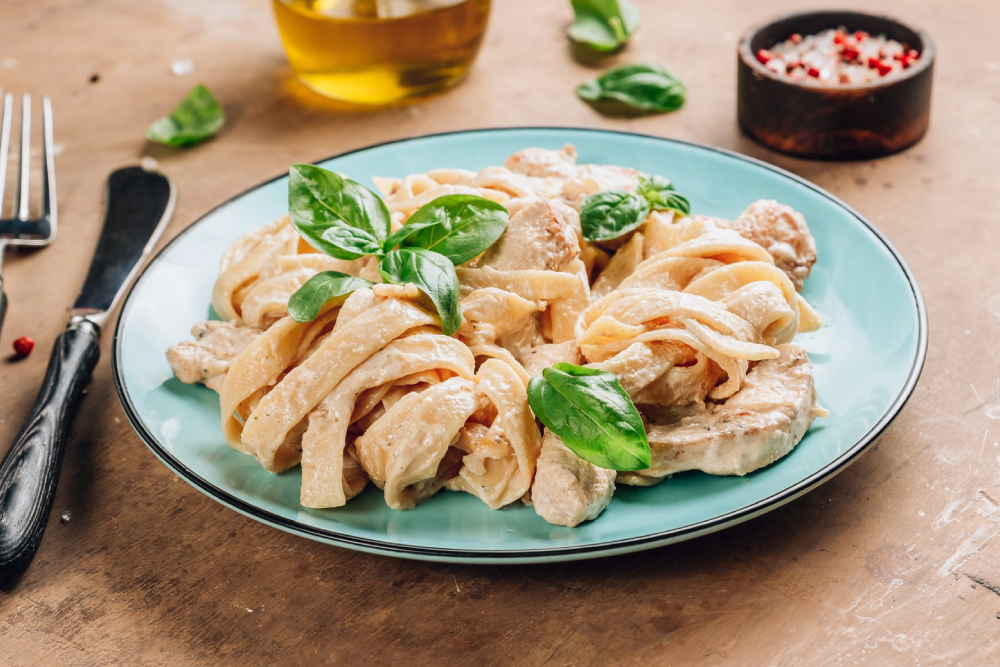
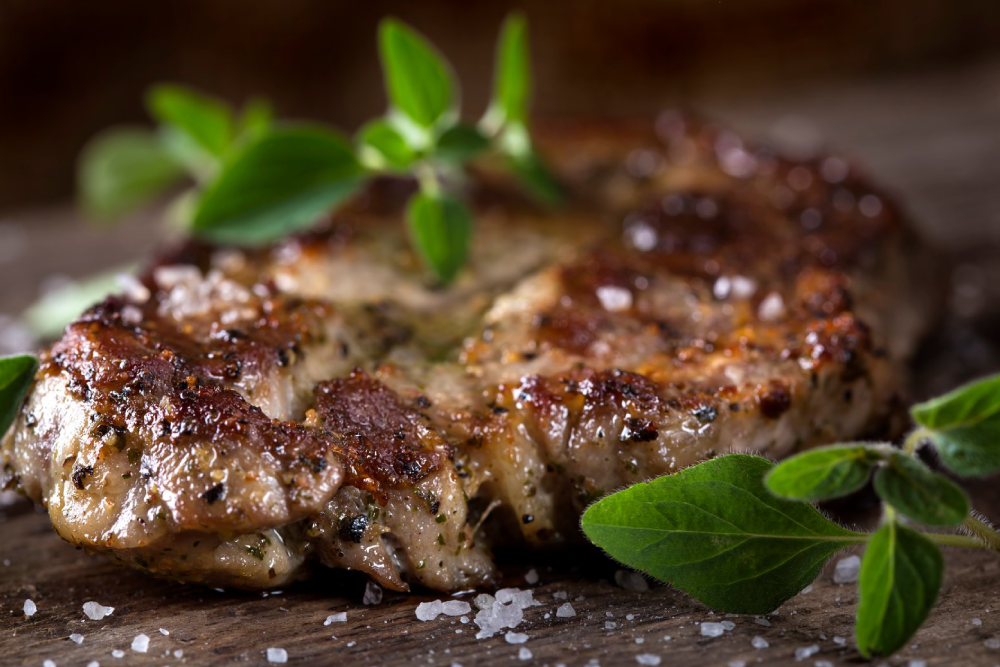
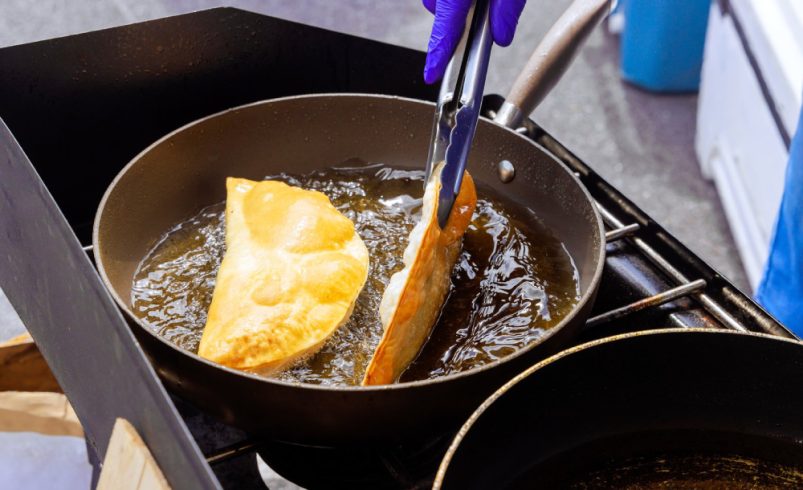

Frying is one of the most popular and widely used cooking methods in kitchens around the world. From crispy chicken and golden fries to pakoras, samosas, and cutlets, frying is behind many of our favorite comfort foods.
But the secret to perfect frying is not just ingredients or recipes—it is oil temperature control. Many home cooks struggle with frying because they either use oil that is too hot or too cold. This leads to burnt, oily, soggy, or unevenly cooked food.
The Perfect Frying Temperature Guide helps you understand how heat affects cooking and how to control oil temperature to achieve crispy, golden, and perfectly cooked results every time.
Why Frying Temperature is So Important
Oil temperature directly affects how food cooks, how it tastes, and how it looks.
When oil is at the correct temperature:
- Food cooks evenly inside and outside
- A crispy outer layer forms instantly
- Less oil is absorbed
- Texture becomes light and crunchy
- Food looks golden and appetizing
When temperature is incorrect:
- Food becomes greasy and heavy
- Outside burns while inside remains raw
- Food absorbs too much oil
- Texture becomes soft and soggy
That is why professional chefs always focus on temperature control before frying anything.
Ideal Frying Temperature Range
Most deep-fried foods cook best within a specific temperature range:
160°C to 190°C (320°F to 375°F)
This range ensures proper cooking without burning or excessive oil absorption.
However, different foods require different heat levels depending on texture and thickness.
Low Temperature Frying (150°C – 160°C)
Low temperature frying is used for slow cooking and thick items that need time to cook inside.
Best for:
- Thick chicken pieces
- Dough-based snacks
- First fry of potatoes
- Heavy batters
Result:
Food cooks slowly, absorbs some oil, and becomes soft inside. It is often used as a first step before high-heat frying.
Medium Temperature Frying (160°C – 175°C)
This is the most commonly used frying temperature in home cooking.
Best for:
- Pakoras
- Cutlets
- Chicken nuggets
- Vegetables
- Light snacks
Result:
Food cooks evenly, becomes light golden, and stays crisp without burning or excess oil absorption.
This is the safest range for beginners.
High Temperature Frying (175°C – 190°C)
High temperature frying is used for fast cooking and extra crispiness.
Best for:
- French fries (final fry)
- Fried chicken
- Samosas
- Crispy snacks
Result:
Food cooks quickly, forms a crunchy outer layer, and locks moisture inside for juicy texture.
However, it requires careful monitoring to avoid burning.
How to Check Oil Temperature Without Thermometer
Not every kitchen has a thermometer, but you can still check oil temperature using simple tricks.
Bread Test
Drop a small piece of bread. If it turns golden in 30–40 seconds, oil is ready.
Wooden Spoon Test
Dip a wooden spoon into oil. If small bubbles form around it, oil is hot enough.
Batter Test
Drop a small amount of batter. If it rises quickly and sizzles, oil is ready for frying.
Common Frying Mistakes
Many home cooks make simple mistakes that ruin frying results.
Overcrowding the Pan
Too much food lowers oil temperature and causes soggy texture.
Incorrect Heat Level
High heat burns food, low heat makes it greasy.
Not Preheating Oil
Cold oil leads to uneven cooking and poor texture.
Reusing Oil Too Many Times
Old oil affects taste, color, and health quality.
Tips for Perfect Frying
- Always preheat oil before frying
- Fry in small batches for best results
- Maintain consistent temperature
- Drain fried food on paper towels
- Use fresh or clean oil whenever possible
These small steps make a big difference in taste and texture.
Double Frying Technique for Extra Crispiness
One professional method used in restaurants is double frying.
Step 1:
Fry food at low temperature to cook inside.
Step 2:
Let it rest for a few minutes.
Step 3:
Fry again at high temperature for crispiness.
This technique is commonly used for fries and fried chicken.
Oil Selection for Frying
Choosing the right oil is also important.
Best oils for frying:
- Sunflower oil
- Canola oil
- Vegetable oil
- Peanut oil
These oils have high smoke points and are suitable for deep frying.
How to Maintain Oil Quality
To keep oil clean and reusable:
- Strain oil after frying
- Remove burnt particles
- Do not mix old and fresh oil
- Store in a cool, dry place
This helps maintain flavor and safety.
Health Tips for Frying
Fried food can be enjoyed in moderation if cooked properly.
- Avoid overheating oil
- Do not reuse oil too many times
- Use proper draining methods
- Balance fried food with salads and vegetables
Healthy frying is about control and moderation.
Serving Suggestions
Perfectly fried food can be served with:
- Garlic mayo
- Ketchup or chili sauce
- Mint chutney
- Fresh salad
- Yogurt dips
These sides enhance taste and balance richness.
Final Thoughts
The Perfect Frying Temperature Guide is essential for anyone who wants to improve their cooking skills. Understanding oil temperature helps you achieve crispy, golden, and evenly cooked food every time.
Whether you are frying chicken, vegetables, or snacks, temperature control is the key to success. With the right technique, frying becomes simple, safe, and consistently delicious.
Cooking is not just about ingredients—it is about precision, and frying temperature is one of the most important parts of that precision.