

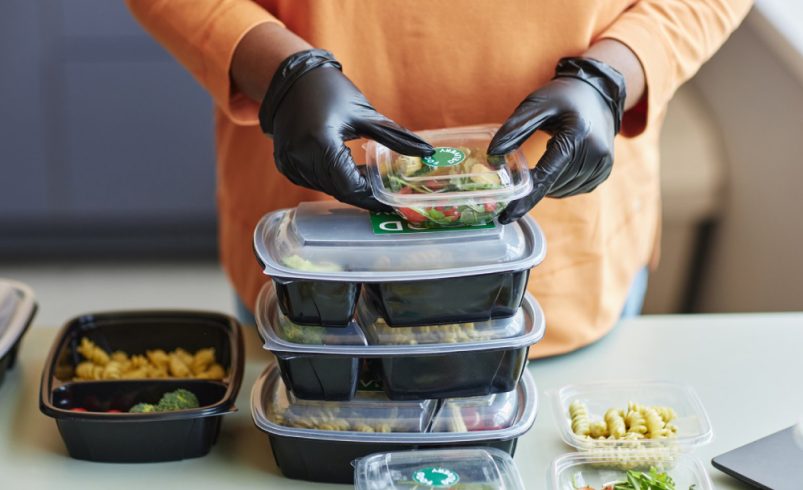

Leftover food is a common part of every household. Whether it is rice, curry, meat, vegetables, or bread, we often store extra food for later use. While leftovers help reduce waste and save time, improper handling can lead to serious health risks.
Food that is not stored or reheated correctly can become a breeding ground for bacteria, causing food poisoning, stomach issues, and spoilage.
That is why understanding the Leftover Food Safety Guide is essential for every kitchen. It helps you store food safely, maintain freshness, and enjoy leftovers without risk.
Why Leftover Food Safety is Important
Leftover food may look fine, but harmful bacteria can grow quickly if it is not handled properly.
Risks of unsafe leftovers:
- Food poisoning
- Stomach infections
- Loss of nutrients
- Bad smell and taste
- Food spoilage
Bacteria multiply fastest between 5°C to 60°C, also known as the “danger zone.” Proper storage keeps food out of this range.
Step 1: Cool Food Quickly Before Storing
One of the most important rules of food safety is cooling food properly.
Why cooling matters:
- Prevents bacterial growth
- Maintains food texture
- Avoids moisture buildup
How to cool food safely:
- Let food sit at room temperature for 30–60 minutes
- Do not leave food outside for more than 2 hours
- Divide large portions into smaller containers for faster cooling
Never put hot food directly into the fridge, as it raises overall fridge temperature.
Step 2: Store Food in Airtight Containers
Proper storage containers help maintain freshness and prevent contamination.
Best options:
- Glass airtight containers
- BPA-free plastic containers
- Zip-lock freezer bags
Why airtight storage is important:
- Prevents air exposure
- Stops odor mixing
- Reduces bacterial contamination
- Keeps moisture balanced
Always close containers tightly after use.
Step 3: Refrigeration Temperature Control
Temperature plays a key role in leftover safety.
Ideal fridge temperature:
1°C to 4°C
This slows down bacterial growth and keeps food safe for longer periods.
If the fridge is too warm, food will spoil faster even if stored properly.
Step 4: Safe Storage Time for Leftovers
Not all foods can be stored for the same duration.
General guidelines:
- Cooked rice: 1–2 days
- Chicken curry: 2–3 days
- Beef or mutton curry: 2–3 days
- Cooked vegetables: 2–3 days
- Soups and stews: 2–3 days
- Fried foods: 1–2 days
Important tip:
If food smells, looks, or tastes off, do not consume it—even if it is within time limit.
Step 5: Labeling Leftover Food
Labeling helps track freshness.
Include:
- Date of cooking
- Type of food
- Storage time
This prevents confusion and reduces the risk of eating spoiled food.
Step 6: Avoid Cross-Contamination
Cross-contamination happens when bacteria spread from one food item to another.
Prevention tips:
- Use separate containers for different foods
- Do not mix raw and cooked food
- Use clean utensils every time
- Keep raw meat away from ready-to-eat food
This is very important for food safety.
Step 7: Safe Reheating of Leftovers
Reheating food properly is just as important as storing it.
Safe reheating methods:
- Stovetop reheating (best for curries)
- Oven reheating
- Microwave reheating
Key rule:
Food should be heated until it is steaming hot throughout.
Important tip:
Only reheat food once. Repeated reheating increases bacterial risk.
Step 8: Do Not Refreeze Thawed Food
Once food is thawed, it should not be frozen again.
Why:
- Increases bacterial growth risk
- Reduces texture and flavor
- Affects food safety
Always thaw only the amount you need.
Step 9: Recognizing Spoiled Food
Knowing when food has gone bad is essential.
Signs of spoilage:
- Sour or bad smell
- Change in color
- Slimy texture
- Mold growth
- Strange taste
If any of these signs appear, discard the food immediately.
Step 10: Proper Handling of Rice and Grains
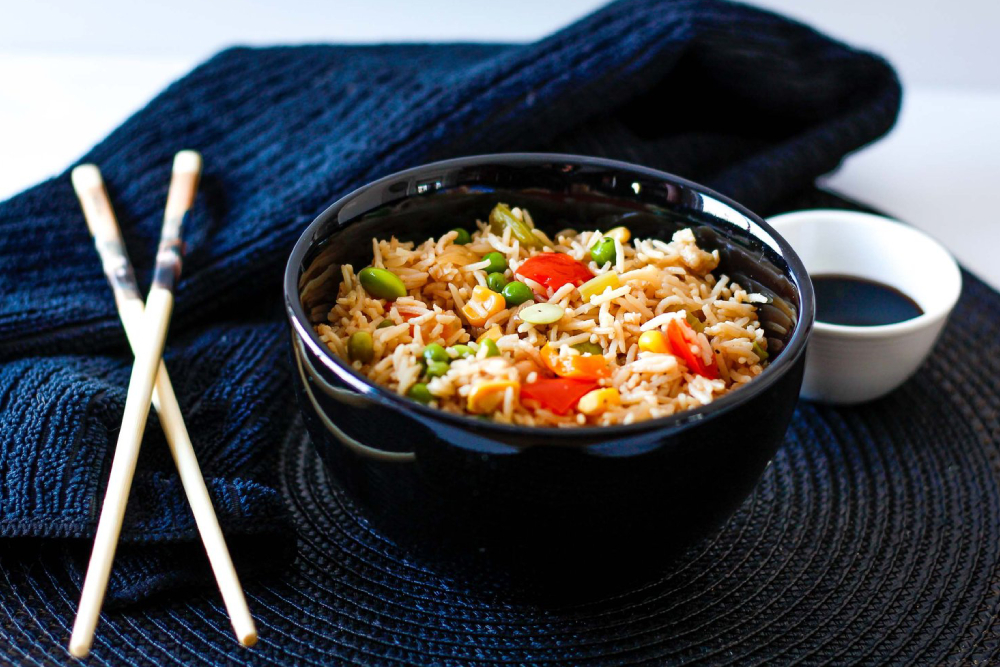
Rice is one of the most sensitive leftover foods.
Safety tips:
- Cool rice quickly after cooking
- Store in fridge within 1 hour
- Consume within 1–2 days
- Reheat thoroughly before eating
Rice can develop harmful bacteria if left at room temperature too long.
Step 11: Leftover Meat Safety
Cooked meat requires extra care.
Storage tips:
- Store in airtight containers
- Keep refrigerated immediately
- Use within 2–3 days
Reheating tip:
Always reheat meat thoroughly to kill bacteria.
Step 12: Freezing Leftovers for Longer Storage
Freezing is the best way to extend shelf life.
Suitable foods for freezing:
- Cooked curries
- Cooked meat
- Soups and stews
- Cooked vegetables
Storage duration:
- 1–3 months depending on food type
Always thaw safely before reheating.
Common Mistakes in Leftover Food Storage
Many people unknowingly make mistakes:
- Leaving food out too long
- Storing hot food directly in fridge
- Using dirty containers
- Reheating multiple times
- Ignoring smell or texture changes
Avoiding these mistakes improves food safety greatly.
Pro Tips for Leftover Food Safety
- Always cool food quickly
- Use small portion containers
- Label everything clearly
- Reheat food only once
- Keep fridge clean and organized
These habits ensure safe and efficient food storage.
Health Risks of Unsafe Leftovers
Improper handling of leftovers can lead to:
- Food poisoning
- Diarrhea
- Stomach cramps
- Nausea
- Bacterial infections
Food safety is not just about taste—it is about health.
Benefits of Proper Leftover Management
- Reduces food waste
- Saves money
- Makes meal planning easier
- Ensures food safety
- Improves kitchen efficiency
Good storage habits lead to better overall health and organization.
Final Thoughts
The Leftover Food Safety Guide is essential for every kitchen. Proper cooling, storage, and reheating techniques ensure that food remains safe, fresh, and nutritious.
By following simple steps like using airtight containers, maintaining correct temperature, and avoiding long storage times, you can safely enjoy leftovers without health risks.
Smart leftover management not only saves time and money but also keeps your family safe and healthy.