

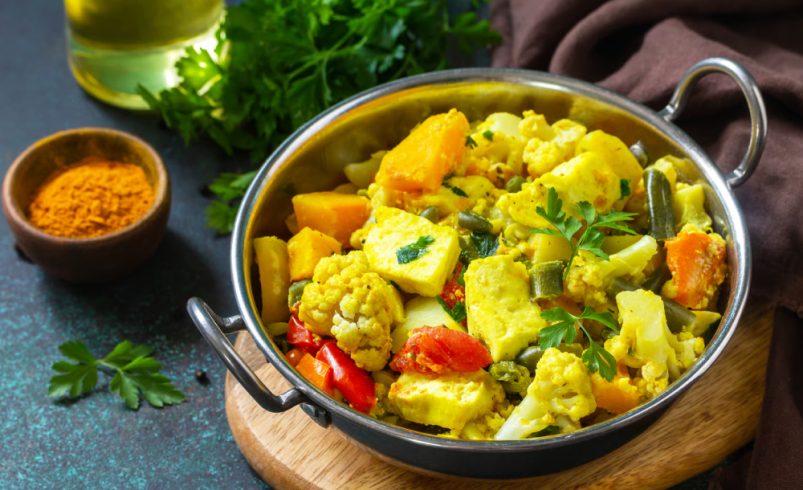

Low Oil Vegetable Curry is a healthy, light, and nutrient-rich dish that is perfect for anyone trying to eat clean, lose weight, or simply reduce oil intake in daily meals. This curry is packed with fresh vegetables, aromatic spices, and a light gravy that delivers full flavor without the heaviness of traditional oily curries.
In many South Asian households, curries are often cooked with generous amounts of oil or ghee. While this enhances taste, it also increases calories. The low oil version maintains all the traditional flavors but uses minimal oil and healthier cooking techniques.
This dish is perfect for lunch, dinner, or even meal prep for the week.
Why Low Oil Vegetable Curry is Healthy
Low Oil Vegetable Curry is considered healthy because it reduces unnecessary fat while keeping essential nutrients intact. Vegetables provide fiber, vitamins, and minerals that support digestion, immunity, and overall wellness.
Using less oil helps control calorie intake, making this dish suitable for weight loss and heart-healthy diets. At the same time, spices like turmeric, cumin, and coriander provide anti-inflammatory benefits.
This makes it a balanced and wholesome meal for all age groups.
Ingredients
To prepare Low Oil Vegetable Curry, you need a variety of fresh vegetables such as carrots, peas, potatoes, cauliflower, beans, and bell peppers. These vegetables provide different textures and nutrients.
For the base, onions, tomatoes, garlic, and ginger are used to create flavor without heavy oil.
Spices include turmeric, red chili powder, coriander powder, cumin powder, black pepper, and salt. Garam masala is added at the end for aroma.
A very small amount of oil (usually 1–2 tablespoons) is enough for the entire dish. Water or vegetable stock is used to create gravy.
Preparing the Vegetables
To start, all vegetables are washed thoroughly and cut into medium-sized pieces. It is important to keep the size even so they cook uniformly.
Potatoes and carrots may take slightly longer to cook, so they can be cut smaller compared to softer vegetables like bell peppers and peas.
Proper preparation ensures even cooking and balanced texture.
Cooking the Base
A heavy-bottom pan is heated with a small amount of oil. Once hot, cumin seeds are added to release aroma.
Next, onions are added and sautéed until light golden. Since this is a low oil recipe, onions are cooked slowly with a small splash of water if needed to prevent sticking.
Ginger and garlic paste is added and cooked until fragrant. Then tomatoes are added and cooked until soft and blended into a thick base.
Adding Spices
Once the base is ready, all dry spices are added, including turmeric, red chili powder, coriander powder, cumin powder, black pepper, and salt.
The spices are cooked gently with the tomato-onion mixture until oil slightly separates or the mixture becomes aromatic.
Since oil is minimal, water may be added in small amounts to prevent burning while still developing flavor.
Cooking the Vegetables
After the base is ready, all chopped vegetables are added into the pot. They are mixed well so that spices coat every piece evenly.
Water or vegetable stock is added to create a light gravy. The pot is then covered and vegetables are cooked on medium heat.
Slow simmering allows vegetables to absorb the flavor of spices while maintaining their natural texture.
Developing Flavor
As the curry cooks, the vegetables soften and release natural sweetness into the gravy. The spices blend together, creating a balanced and aromatic dish.
It is important not to overcook the vegetables, as they should remain slightly firm for better texture and nutrition.
At this stage, the curry should be thick but not dry, with a light and flavorful gravy.
Final Touch
Once vegetables are fully cooked, garam masala is added for final aroma. The dish is simmered for a few more minutes to enhance flavor.
Fresh coriander leaves are added at the end for freshness and color.
Serving Suggestions
Low Oil Vegetable Curry is best served hot with roti, chapati, or brown rice. It can also be paired with quinoa or whole wheat bread for a healthier meal.
It works well as a lunch or dinner option and can be included in meal prep plans.
Tips for Perfect Vegetable Curry
Use fresh vegetables for best taste and nutrition. Cook on medium heat to prevent burning without excess oil.
Do not overcook vegetables, as they should retain slight crunch. Adding water gradually helps maintain consistency without oil.
Common Mistakes
One common mistake is overcooking vegetables, which makes them mushy. Another mistake is using too much water, which makes the curry bland.
Skipping spices can also reduce flavor, so balance is important even in low oil cooking.
Variations
Some variations include adding chickpeas, lentils, or tofu for extra protein. You can also make a spicy version by increasing chili content.
A creamy version can be made using yogurt instead of extra oil.
Nutritional Value
Low Oil Vegetable Curry is rich in fiber, vitamins A and C, potassium, and antioxidants. It is low in fat and calories, making it ideal for weight management and heart health.
Final Thoughts
Low Oil Vegetable Curry is a simple yet powerful dish that proves healthy food can still be full of flavor. With the right spices and cooking method, it becomes a satisfying and nutritious meal for everyday use.