

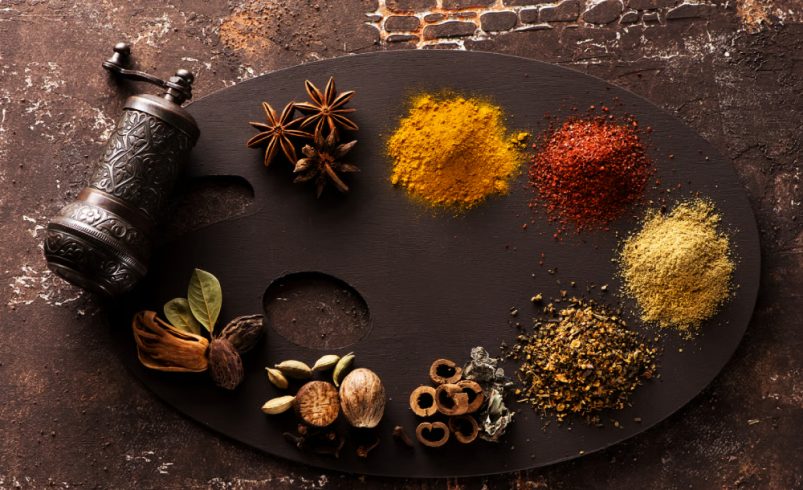

Homemade masala blends are the heart of traditional cooking. They are carefully prepared spice mixtures made at home using fresh whole spices or ground spices. These blends bring depth, aroma, and richness to food that store-bought spice mixes often cannot match.
In many kitchens, especially South Asian households, masalas are not just ingredients—they are the foundation of flavor. A good masala blend can transform a simple dish into something extraordinary.
The biggest advantage of making masala at home is control. You can adjust spice levels, freshness, aroma, and ingredients according to your personal taste. This ensures every dish you cook has a unique and authentic flavor profile.
Why Homemade Masala Blends Are Better
Homemade spice mixes are preferred over packaged ones for many reasons.
Freshness
Freshly ground spices have stronger aroma and better taste compared to store-bought powders that may sit on shelves for months.
No Preservatives
Homemade masalas contain no artificial colors or preservatives, making them healthier.
Custom Flavor
You can adjust spice levels according to your preference—mild, medium, or extra spicy.
Cost-Effective
Buying whole spices and preparing blends at home is often cheaper in the long run.
Authentic Taste
Homemade blends deliver traditional, restaurant-style flavor in everyday cooking.
Basic Ingredients Used in Masala Blends
Most spice blends use a combination of whole and ground spices.
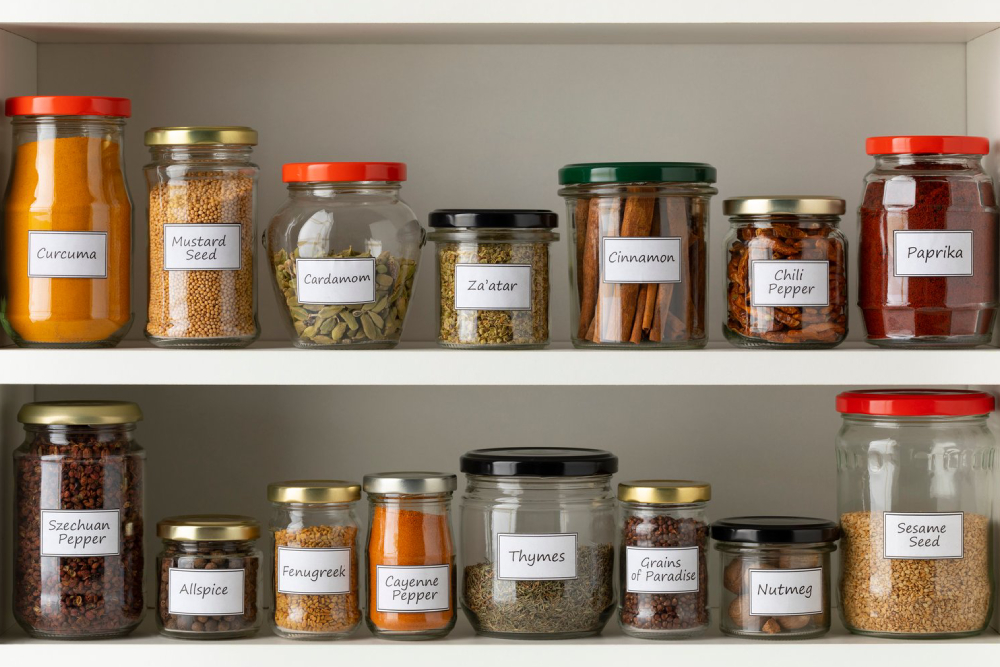
Common spices include:
- Cumin seeds
- Coriander seeds
- Black pepper
- Cloves
- Cinnamon sticks
- Cardamom
- Turmeric powder
- Red chili powder
- Nutmeg (optional)
These spices form the base of most curry and cooking blends.
Step 1: Roasting Spices for Better Aroma
Roasting is an essential step before grinding spices.
Why roasting is important:
- Enhances aroma
- Removes raw taste
- Improves shelf life
- Deepens flavor profile
How to roast:
Heat a dry pan on low flame and add whole spices like cumin, coriander, and cloves. Stir continuously until fragrant. Do not burn them, as it can make the blend bitter.
Once roasted, allow spices to cool completely before grinding.
Step 2: Grinding Spices Properly
After roasting, spices are ground into a fine or coarse powder depending on preference.
Tips for grinding:
- Use a dry grinder or spice mill
- Grind in small batches
- Avoid overheating the grinder
- Store immediately after grinding
Freshly ground spices always produce better flavor than pre-ground ones.
Basic Homemade Garam Masala Recipe
Garam masala is the most common and essential spice blend used in almost every curry dish.
Ingredients:
- 2 tbsp cumin seeds
- 2 tbsp coriander seeds
- 1 tbsp black pepper
- 5–6 cloves
- 2 cinnamon sticks
- 5 cardamom pods
- 1 tsp nutmeg (optional)
Method:
Roast all spices lightly on low heat, let them cool, then grind into a fine powder. Store in an airtight container.
This blend is used at the final stage of cooking to enhance aroma.
Chicken Masala Blend
Chicken masala is specially designed to enhance chicken dishes.
Ingredients:
- Coriander powder
- Cumin powder
- Red chili powder
- Turmeric powder
- Garam masala
- Black pepper
Usage:
Add during cooking to create rich, flavorful chicken curry or grilled chicken.
Meat Masala Blend
Meat masala is stronger and more aromatic compared to chicken masala.
Ingredients:
- Cloves
- Cinnamon
- Black pepper
- Coriander seeds
- Red chili powder
- Nutmeg
- Cumin seeds
Flavor Profile:
Deep, bold, and rich—perfect for beef and mutton dishes.
Fish Masala Blend
Fish masala is lighter and more aromatic.
Ingredients:
- Turmeric
- Red chili powder
- Coriander powder
- Black pepper
- Lemon zest (optional)
Purpose:
Enhances seafood flavor without overpowering it.
Vegetable Masala Blend
Vegetable masala is mild and balanced.
Ingredients:
- Coriander powder
- Cumin powder
- Turmeric
- Black pepper
- Mild chili powder
Usage:
Perfect for stir-fried or curry vegetables.
Storage Tips for Masala Blends
Proper storage is important to maintain freshness.
Best practices:
- Store in airtight glass jars
- Keep away from sunlight
- Avoid moisture exposure
- Use dry spoons only
- Label jars with date
Shelf life:
- Best flavor: 3–6 months
- Usable up to 1 year (if stored properly)
Common Mistakes in Making Masala Blends
Many people make simple errors that reduce spice quality.
Over-roasting spices
This leads to bitterness.
Grinding while hot
Causes moisture buildup and reduces shelf life.
Incorrect proportions
Too much of one spice can overpower the entire blend.
Improper storage
Exposure to air reduces aroma quickly.
Pro Tips for Perfect Masala Blends
- Always use fresh whole spices
- Roast on low heat only
- Cool spices before grinding
- Make small batches for freshness
- Customize blends according to taste
These tips ensure consistent, high-quality flavor.
Health Benefits of Homemade Masala
Homemade spice blends are not just flavorful—they are also beneficial for health.
Benefits include:
- Better digestion
- Anti-inflammatory properties
- Rich in antioxidants
- Natural immune support
- No artificial additives
Spices like turmeric, cumin, and black pepper are especially beneficial.
How Masala Blends Improve Cooking
Using homemade masala improves cooking in many ways:
- Enhances aroma instantly
- Creates consistent flavor in dishes
- Reduces cooking time
- Improves dish presentation
- Gives restaurant-style taste
A small amount of fresh masala can elevate any dish.
Final Thoughts
Homemade Masala Blends are the foundation of flavorful cooking. They bring freshness, authenticity, and depth to every dish you prepare.
By learning how to roast, grind, and store spices properly, you can significantly improve the quality of your cooking.
Great food always starts with great spices—and homemade masalas are the best way to achieve that perfect balance of aroma and taste.