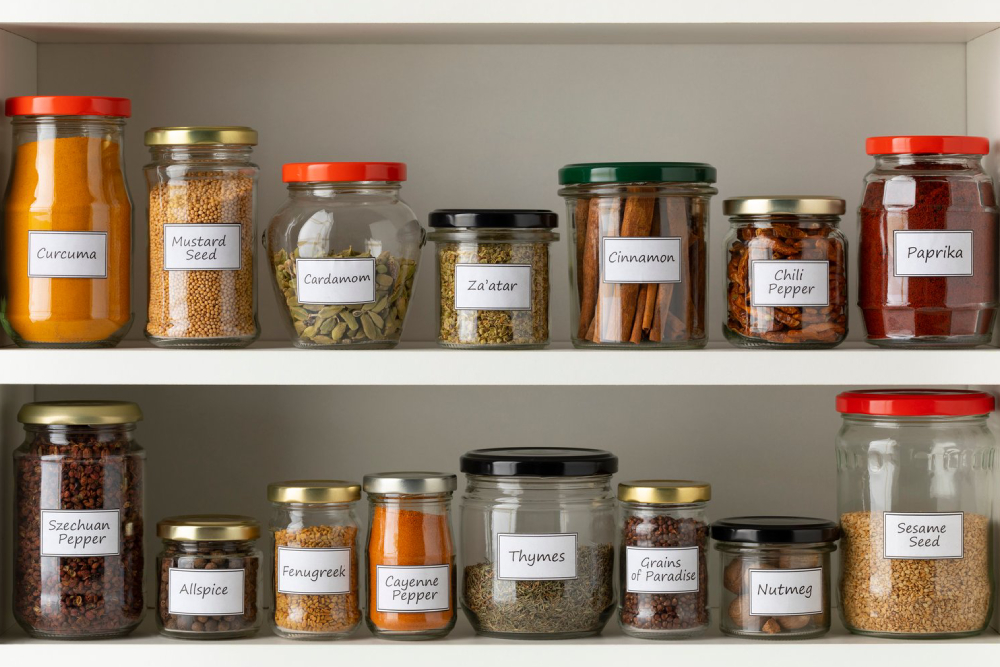


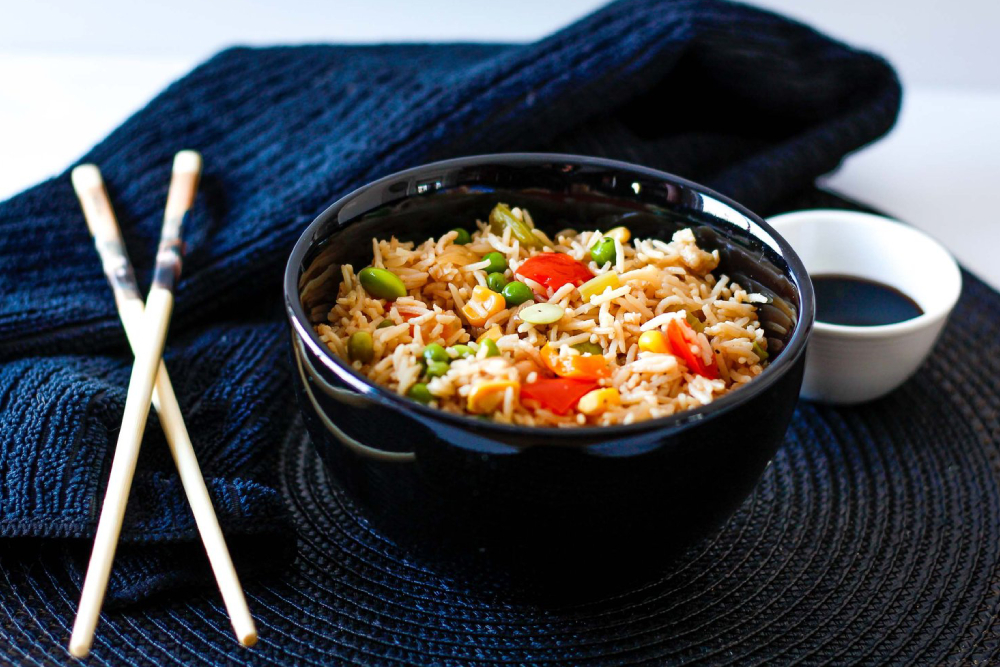



Cooking is not just about adding ingredients together—it is about creating balance. A truly delicious dish is one where no single flavor dominates too much. Instead, all flavors work together in harmony.
The art of balancing flavors in food is what separates average cooking from restaurant-quality dishes. Whether you are making curry, soup, stir fry, or even salad, understanding how flavors interact can completely transform your cooking.
Every great chef knows that taste is built on balance. If a dish is too salty, too spicy, too sour, or too bland, it loses its appeal. But when all elements are perfectly adjusted, food becomes rich, smooth, and enjoyable.
The Five Basic Flavor Elements
To balance food properly, you first need to understand the five core taste elements:
1. Sweet
Sweetness softens strong flavors and reduces bitterness. It does not always mean sugar—it can come from natural ingredients.
Examples:
- Sugar
- Honey
- Carrots
- Onions (when cooked)
2. Salty
Salt enhances all other flavors in food. It is the most important seasoning in cooking.
Examples:
- Salt
- Soy sauce
- Cheese
3. Sour
Sourness adds freshness and brightness to dishes. It cuts through heaviness.
Examples:
- Lemon juice
- Vinegar
- Tamarind
4. Spicy
Spicy flavor adds heat and intensity. It gives food character and depth.
Examples:
- Chili powder
- Green chilies
- Black pepper
5. Umami
Umami is the savory depth that makes food rich and satisfying.
Examples:
- Tomatoes
- Mushrooms
- Meat stock
- Soy sauce
Why Flavor Balance is Important
Without balance, food can feel incomplete.
If a dish is too salty:
- It becomes unpleasant and overpowering
If it is too spicy:
- It becomes hard to eat
If it is too sour:
- It tastes sharp and unpleasant
If it is too bland:
- It feels boring and tasteless
Proper balance ensures every bite feels smooth, enjoyable, and satisfying.
Step 1: Start with a Strong Base
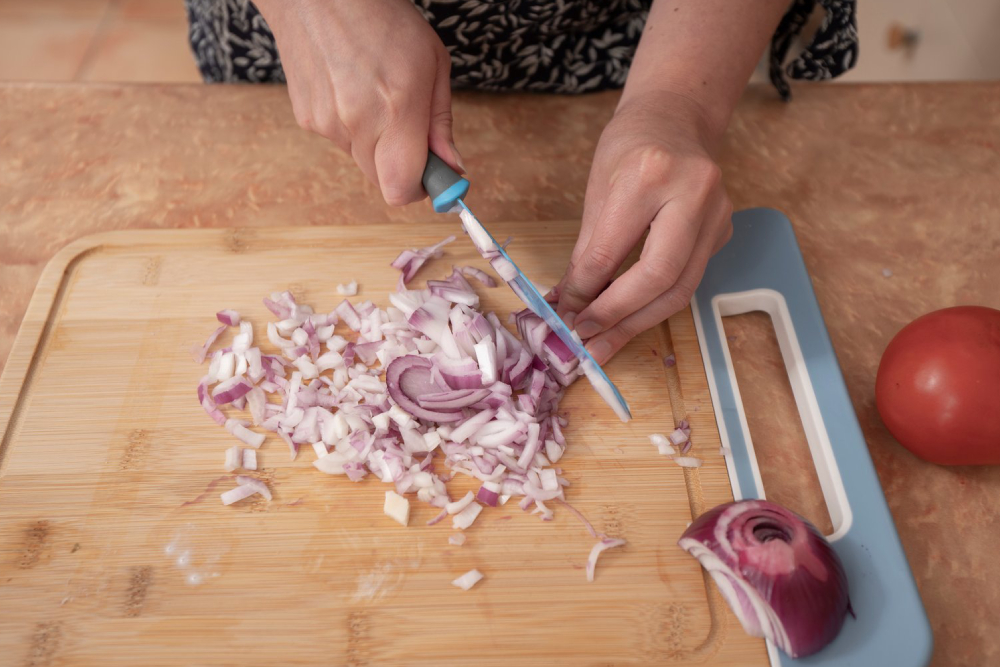
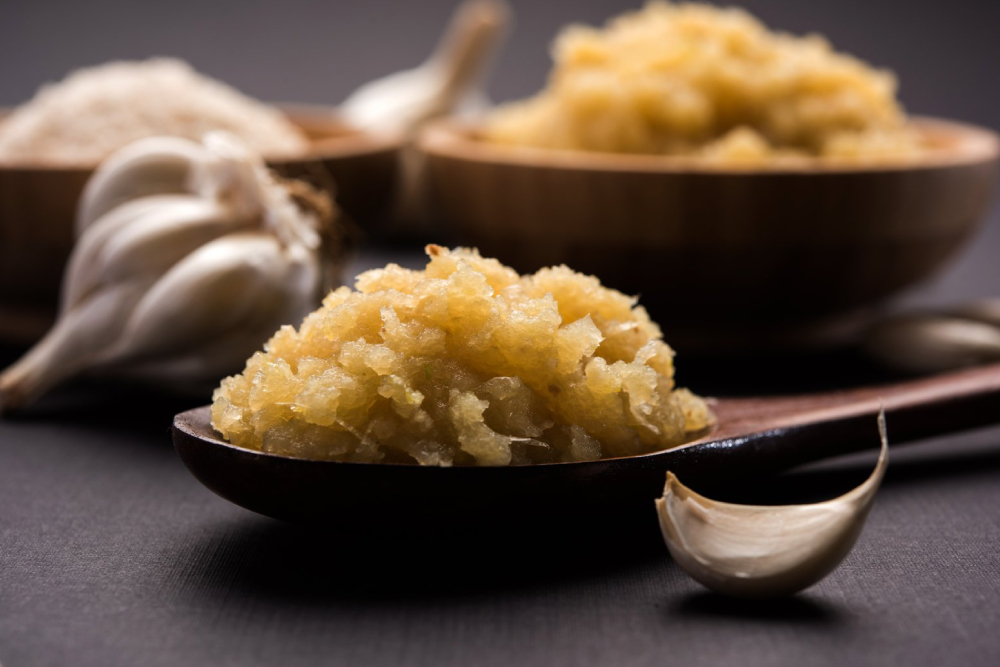
Every dish starts with a base flavor, usually made from:
- Onions
- Garlic
- Ginger
- Tomatoes
This base builds the foundation of taste. Cooking it properly ensures deeper flavor development.
Slow cooking onions until golden adds natural sweetness, which helps balance spices later.
Step 2: Add Salt Carefully
Salt should always be added in stages, not all at once.
Why?
Because salt enhances all other flavors. Adding too much early can ruin balance.
Tip:
Start with a small amount and adjust at the end of cooking.
Step 3: Control Spicy Level
Spice is important, but too much heat can overpower a dish.
To reduce spice:
- Add yogurt
- Add cream
- Add coconut milk
- Add potatoes
To increase spice:
- Add chili powder
- Add green chilies
- Add black pepper
Balancing spice depends on personal preference and dish type.
Step 4: Use Sourness for Freshness
Sour ingredients brighten heavy dishes.
Examples:
- Lemon juice in curries
- Vinegar in stir fry
- Tamarind in sauces
Important Tip:
Always add sour elements at the end of cooking to preserve freshness.
Step 5: Add Sweetness to Balance Heat
Sweetness is often used to soften strong flavors.
Examples:
- A pinch of sugar in tomato sauce
- Honey in spicy dishes
- Caramelized onions in curry
Sweetness should be subtle—not overpowering.
Step 6: Adjust Umami for Depth
Umami makes food rich and satisfying.
Sources of umami:
- Meat stock
- Soy sauce
- Tomatoes
- Mushrooms
Adding umami creates restaurant-style depth in dishes.
Common Flavor Balance Problems
Many home cooks face similar issues:
Food is too salty
Solution:
- Add potatoes or lemon juice
- Add water or yogurt
Food is too spicy
Solution:
- Add cream or yogurt
- Add sugar in small amount
Food is too sour
Solution:
- Add salt or sugar
- Add cream
Food is too bland
Solution:
- Add salt gradually
- Add spice mix
- Add herbs
Step 7: Taste While Cooking
One of the most important habits in cooking is tasting food during preparation.
Why it matters:
- Helps adjust seasoning early
- Prevents over-seasoning
- Ensures balanced flavor
Professional chefs taste food multiple times while cooking.
Step 8: Resting Food After Cooking
Letting food rest after cooking improves flavor balance.
During resting:
- Flavors settle
- Spices blend properly
- Taste becomes smoother
This is especially important for curries and stews.
Pro Tips for Perfect Flavor Balance
- Add salt gradually, not all at once
- Always taste before serving
- Use fresh ingredients
- Balance spicy food with sour or creamy elements
- Don’t overuse spices
Small adjustments make a big difference.
Real-Life Example of Flavor Balancing
Imagine making chicken curry:
- If too spicy → add yogurt
- If too sour → add a pinch of sugar
- If too bland → add salt and garam masala
- If too heavy → add lemon juice
This is how professional cooking adjustments work.
Importance of Practice in Flavor Balancing
Flavor balancing is not something you master instantly. It improves with experience.
The more you cook, the better you understand:
- How spices behave
- How ingredients interact
- How small changes affect taste
Over time, you naturally develop cooking intuition.
Final Thoughts
How to Balance Flavors in Food is one of the most important cooking skills every home cook should learn. It helps transform simple meals into rich, flavorful dishes.
When sweet, salty, sour, spicy, and umami flavors are perfectly balanced, food becomes enjoyable, satisfying, and memorable.
Great cooking is not about adding more ingredients—it is about creating harmony between them.