



Curry is one of the most iconic and widely loved dishes in South Asian cuisine. Whether it is chicken curry, beef curry, or vegetable curry, the real magic lies in the spice mix used during cooking.
A well-balanced spice mix can completely transform a simple dish into something rich, aromatic, and full of depth. On the other hand, incorrect spice proportions can make a curry either too bland or overly spicy.
The Best Spice Mix for Curry is all about understanding the right combination of spices, when to add them, and how they interact with each other during cooking.
Why Spice Mix is the Heart of Curry
Spices are not just flavor enhancers—they define the entire identity of a curry dish.
A proper spice mix controls:
- Aroma of the dish
- Color of the gravy
- Heat level
- Depth of flavor
- Overall taste balance
Without a proper spice foundation, even high-quality ingredients can taste ordinary.
Basic Spices Used in Curry
Every traditional curry is built on a set of essential spices.
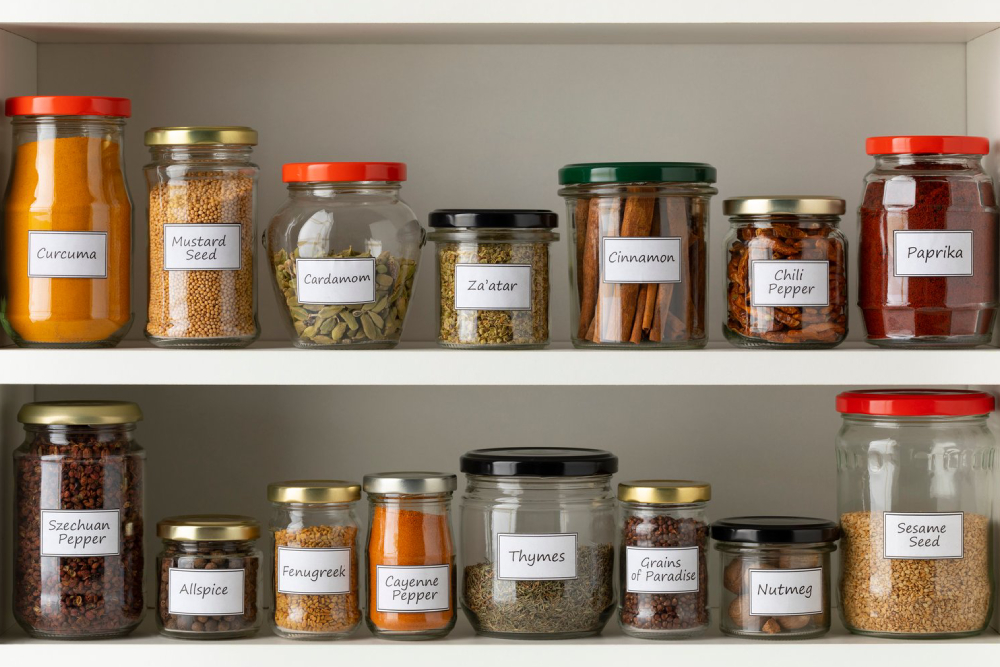
Core spices include:
- Cumin (zeera)
- Coriander powder (dhania)
- Turmeric (haldi)
- Red chili powder
- Black pepper
- Garam masala
- Salt
These spices work together to create a balanced flavor base.
Best Spice Mix for Curry (Basic Recipe)
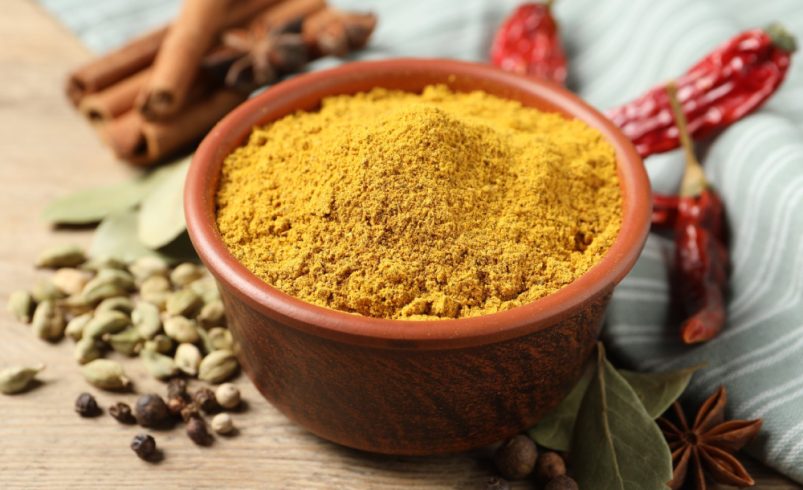
This is a universal curry spice mix that can be used for chicken, beef, or vegetable curry.
Ingredients:
- 2 tbsp coriander powder
- 1 tbsp cumin powder
- 1 tsp turmeric powder
- 1–2 tsp red chili powder
- 1 tsp black pepper powder
- 1 tsp garam masala
- 1 tsp salt (optional for mix)
Method:
Mix all spices thoroughly in a dry bowl and store in an airtight container. This blend can be used as a base seasoning for most curries.
Step 1: Roasting Spices for Better Flavor
Roasting spices enhances their aroma and depth.
How to roast:
Heat a dry pan on low flame and lightly roast cumin seeds, coriander seeds, and black pepper until fragrant.
Important Tip:
Do not burn spices, as it creates bitterness in the curry.
Roasting releases natural oils, making the spice mix more aromatic and flavorful.
Step 2: Fresh vs Pre-Ground Spices
The quality of spices directly affects the final taste.
Fresh ground spices:
- Strong aroma
- Better taste
- Natural flavor
Store-bought spices:
- Convenient
- Less aromatic
- Long shelf life
For best results, always try to use freshly ground spices whenever possible.
Step 3: Timing of Adding Spices
When you add spices in cooking is just as important as what you add.
Early stage:
- Cumin seeds in hot oil
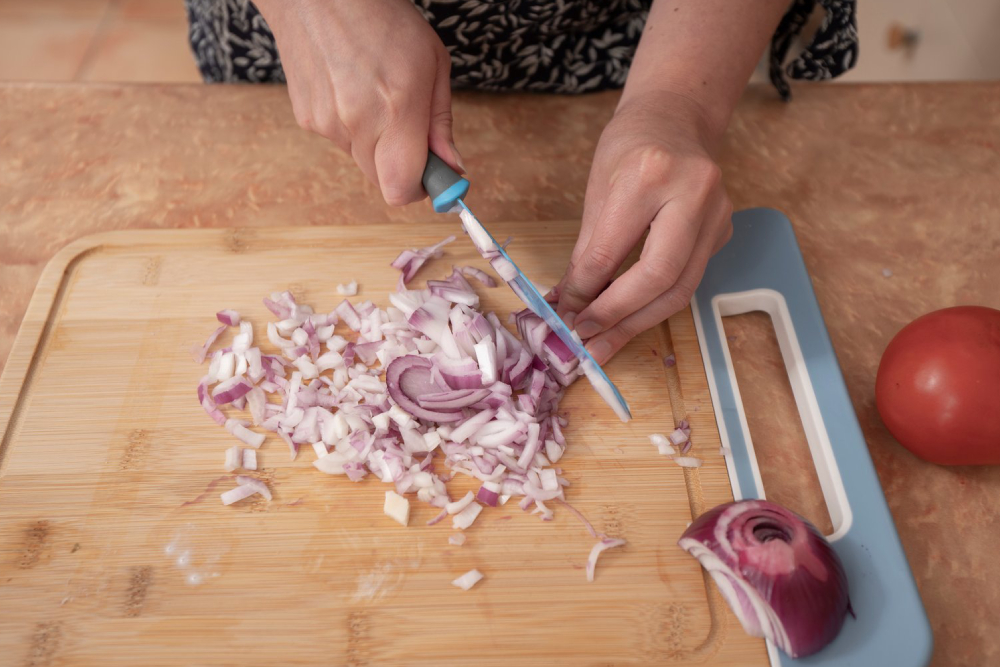
- Onion base spices
Mid stage:
- Turmeric
- Chili powder
- Coriander powder
Final stage:
- Garam masala
- Fresh herbs
Adding spices at the right time ensures balanced flavor development.
Step 4: Balancing Spice Levels
Not every curry should be extremely spicy. Balance is key.
To reduce spice:
- Add yogurt
- Add cream
- Add coconut milk
- Add tomatoes
To increase spice:
- Add chili powder
- Add green chilies
- Add black pepper
A perfect curry has a balance of heat, aroma, and richness.
Chicken Curry Spice Mix Variation
Chicken curry requires a slightly lighter spice profile.
Adjusted mix:
- Coriander powder (higher ratio)
- Moderate chili powder
- Turmeric
- Garam masala
Result:
Mild, aromatic, and balanced flavor suitable for everyday meals.
Beef & Mutton Curry Spice Mix
For red meat, spices should be stronger and deeper.
Adjusted mix:
- Extra black pepper
- More garam masala
- Cloves and cinnamon (optional)
- Strong cumin flavor
Result:
Rich, bold, and deep curry flavor.
Vegetable Curry Spice Mix
Vegetables need a lighter spice balance.
Adjusted mix:
- Mild chili powder
- Coriander powder (main base)
- Cumin powder
- Turmeric
Result:
Fresh, light, and naturally flavored curry.
Common Mistakes in Curry Spice Mixing
Many home cooks make simple mistakes:
- Adding too many spices at once
- Burning spices in oil
- Not measuring proportions
- Adding garam masala too early
- Using old or stale spices
Avoiding these mistakes improves curry taste instantly.
Pro Tips for Perfect Curry Spice Mix
- Always use fresh spices
- Roast spices lightly before grinding
- Add garam masala at the end only
- Taste and adjust during cooking
- Store spice mix in airtight containers
These small habits make a huge difference in flavor.
How to Store Curry Spice Mix
Proper storage keeps spice mix fresh for longer.
Best practices:
- Use glass airtight jars
- Keep away from sunlight
- Store in a cool dry place
- Avoid moisture exposure
- Use dry spoon only
Shelf life:
- Best flavor: 3–6 months
- Usable up to 1 year (if stored properly)
Benefits of Homemade Curry Spice Mix
Homemade spice blends offer many advantages:
- Fresh aroma and flavor
- No preservatives or additives
- Customizable spice level
- Healthier option
- Cost-effective
They give your cooking a professional touch.
How Spice Mix Improves Cooking
A good spice mix simplifies cooking and improves results:
- Saves preparation time
- Ensures consistent taste
- Enhances aroma instantly
- Creates restaurant-style flavor
- Makes cooking easier for beginners
Even simple ingredients taste better with the right spices.
Final Thoughts
The Best Spice Mix for Curry is the foundation of every flavorful curry dish. When spices are balanced correctly and used at the right time, they create rich, aromatic, and deeply satisfying meals.
Cooking is not just about following recipes—it is about understanding spices and how they work together.
Once you master your curry spice mix, every dish you make will taste more professional, consistent, and delicious.