

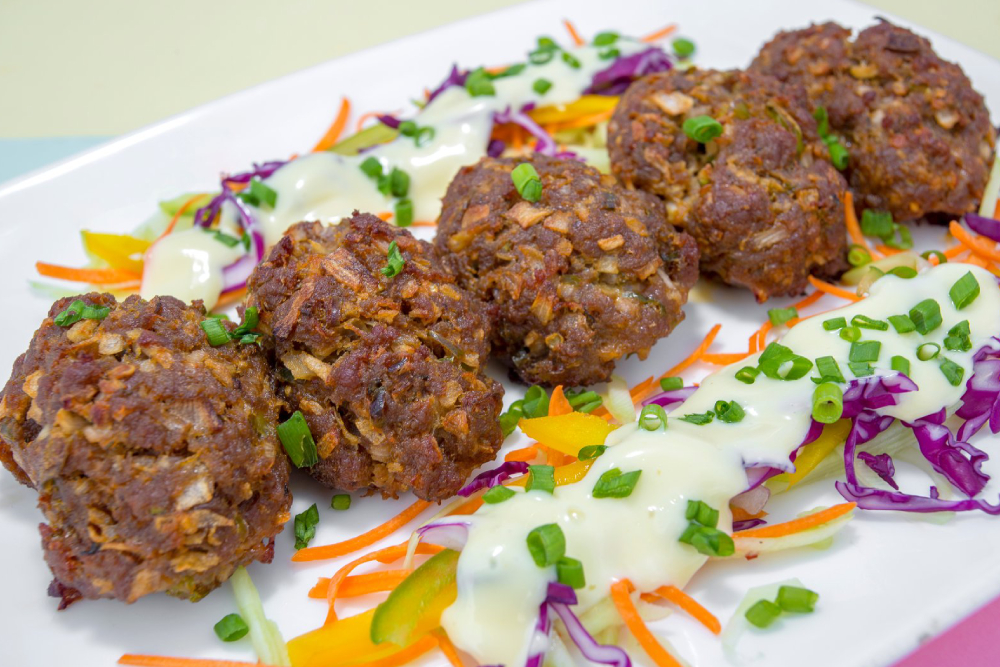
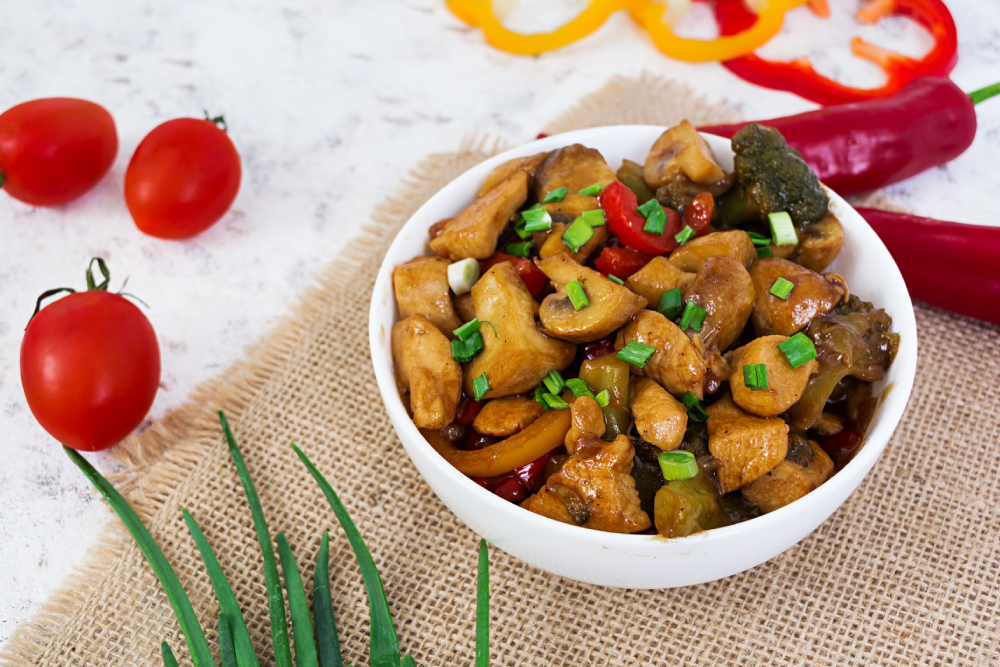
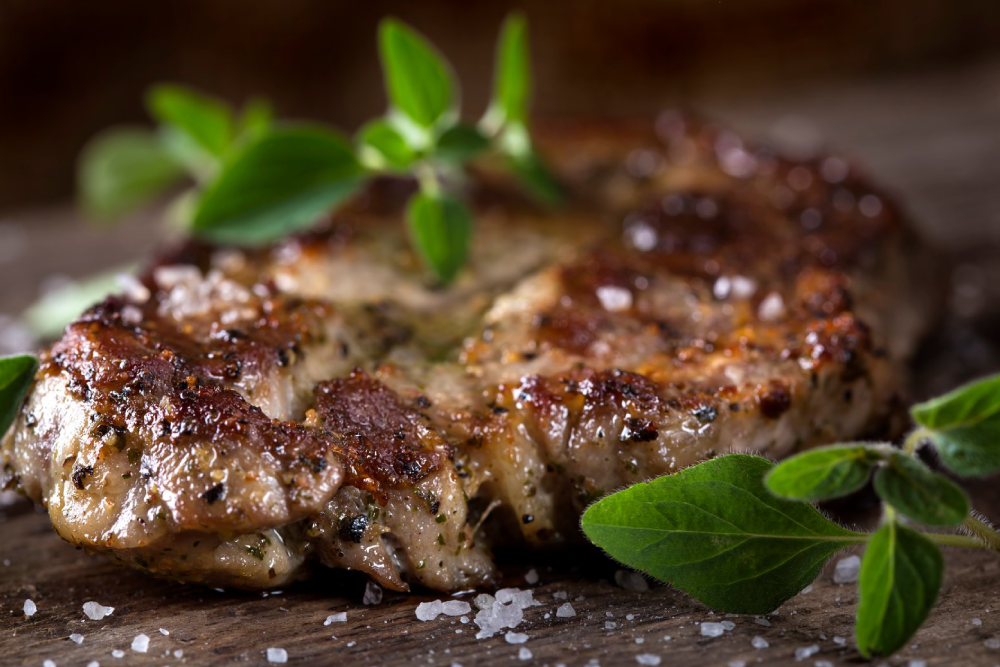
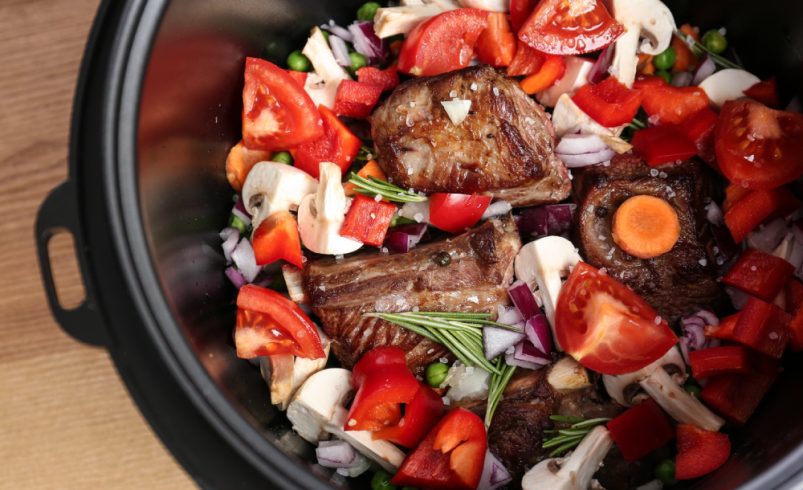

Slow cooking is one of the oldest and most effective cooking methods used across cultures. It is especially popular for tough cuts of meat like beef, mutton, and lamb, where long cooking time transforms hard fibers into soft, melt-in-mouth texture.
Unlike fast cooking methods, slow cooking works on low heat over a long period of time, allowing flavors to develop deeply and evenly. The result is rich, tender, and highly flavorful meat that feels restaurant-quality at home.
Many traditional dishes like mutton curry, beef stew, and lamb roast rely on slow cooking techniques to achieve their signature taste.
Why Slow Cooking Works So Well
Slow cooking is scientifically effective because heat gradually breaks down collagen in meat into gelatin. This process makes meat soft, juicy, and tender.
Key benefits include:
- Extremely tender meat texture
- Deep spice absorption
- Rich and thick gravy formation
- Less risk of burning or overcooking
- Enhanced natural flavors
Instead of rushing the process, slow cooking allows time and heat to do the work naturally.
Best Types of Meat for Slow Cooking
Not all meats are ideal for fast cooking. Tougher cuts perform best in slow cooking because they need time to soften.
Best options:
- Mutton (goat meat) → most commonly used
- Beef → needs longer cooking time
- Lamb → rich flavor and tender results
Cuts to prefer:
- Shoulder cuts
- Shank pieces
- Bone-in meat (adds flavor)
Bone-in meat is especially good because bones release extra flavor into the gravy.
Step 1: Proper Marination for Deep Flavor
Marination is the foundation of slow cooking. It enhances taste and helps tenderize meat before cooking even begins.
Basic marinade includes:
- Yogurt (tenderizer)
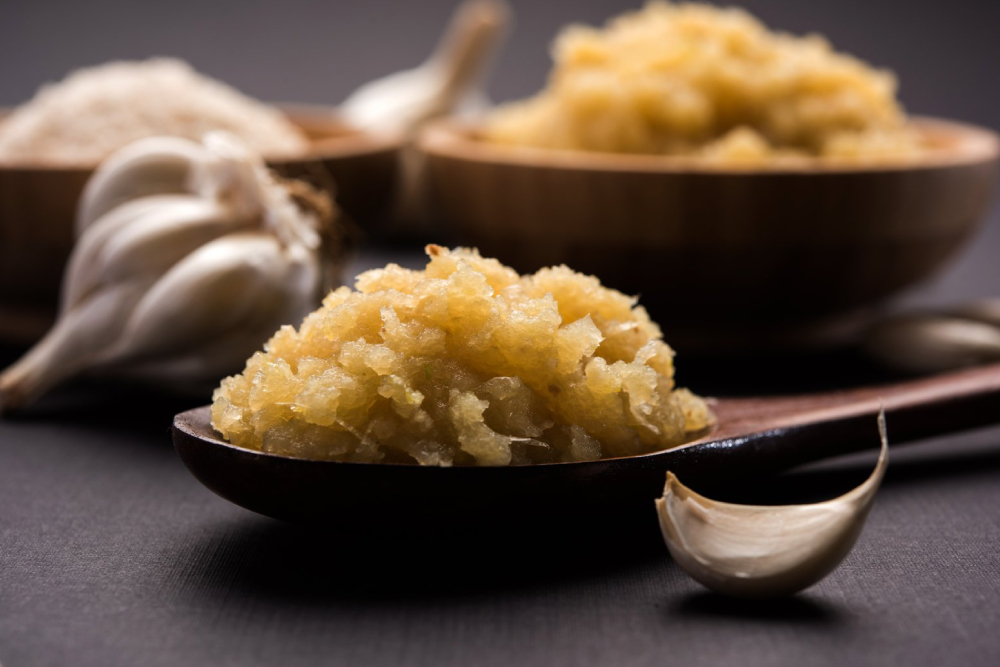
- Ginger-garlic paste
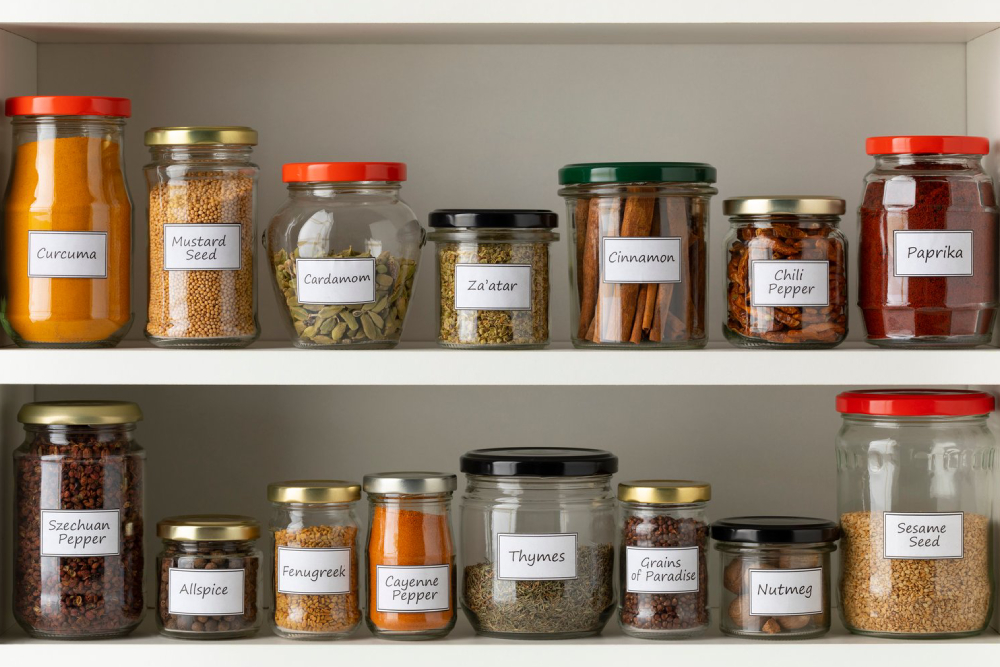
- Red chili powder
- Turmeric powder
- Coriander powder
- Cumin powder
- Salt
- Lemon juice
Marination time:
- Minimum: 4 hours
- Best: Overnight
The longer the meat marinates, the more flavorful and tender it becomes.
Step 2: Choosing the Right Cooking Pot
The pot you use plays an important role in slow cooking.
Best options:
- Heavy-bottom pot
- Cast iron pot
- Clay pot (traditional taste)
Heavy pots distribute heat evenly and prevent burning at the bottom.
Step 3: Low Flame Cooking Technique
The most important rule in slow cooking is low and steady heat.
Cooking on high heat makes meat tough and chewy, while low heat allows fibers to break down gently.
Ideal heat level:
- Low flame throughout cooking
- Occasional stirring only
Patience is key in this process.
Step 4: Adding Liquid Gradually
Slow cooking requires moisture to prevent drying out.
You can use:
- Water
- Meat stock
- Bone broth
- Tomato-based gravy
Add liquid slowly instead of pouring all at once. This helps control consistency and enhances flavor development.
Step 5: Cooking Time Guide
Slow cooking takes time, and that is what makes it special.
Average cooking times:
- Mutton: 1.5 to 3 hours
- Beef: 2 to 4 hours
- Lamb: 1.5 to 3 hours
The longer it cooks (on low heat), the more tender it becomes.
Step 6: Building Flavor Layers
Slow cooking is not just about heat—it is about layering flavors.
Add ingredients in stages:
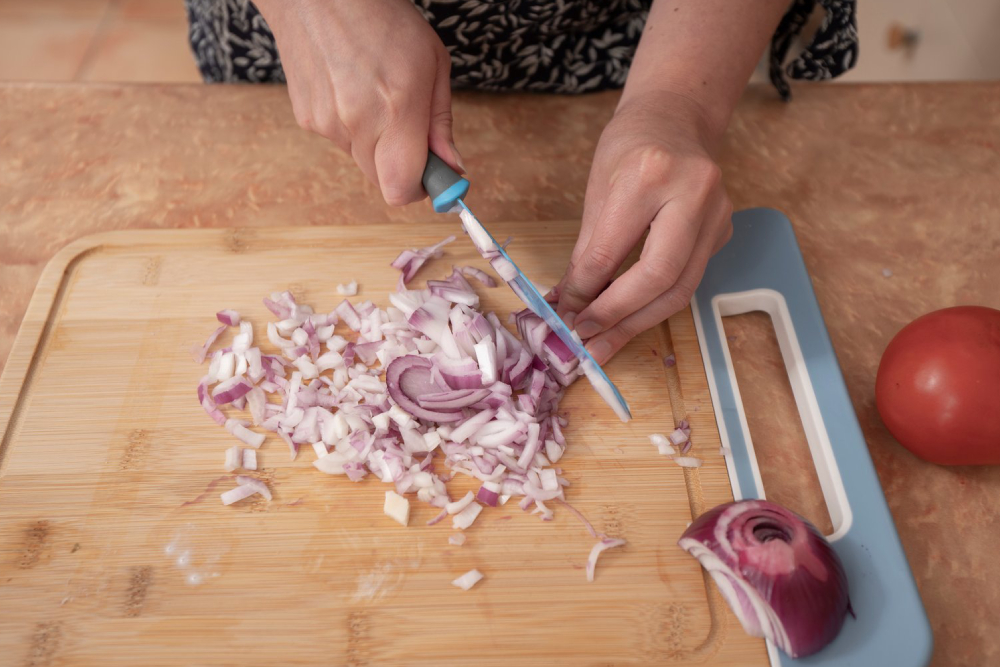
- Onions (base flavor)
- Ginger-garlic paste
- Spices
- Meat
- Liquid
This layering creates deep, complex taste in the final dish.
Step 7: Final Touch of Spices
At the end of cooking, add final seasoning to enhance aroma.
Add:
- Garam masala
- Black pepper
- Fresh coriander
- Green chilies
- Lemon juice (optional)
This gives freshness and a strong final flavor boost.
Common Mistakes in Slow Cooking
Many people make mistakes that affect the final result:
- Cooking on high heat
- Not enough liquid
- Skipping marination
- Rushing cooking time
- Using thin pots that burn food
Avoiding these mistakes ensures perfect results.
Pro Tips for Perfect Slow Cooking
- Use bone-in meat for richer flavor
- Stir occasionally, not constantly
- Keep lid closed to trap steam
- Use natural spices instead of ready mixes
- Let dish rest after cooking
Resting allows flavors to settle properly.
Serving Suggestions
Slow-cooked meat pairs perfectly with:
- Steamed rice
- Naan or roti
- Pulao or biryani
- Fresh salad
- Yogurt raita
The rich gravy makes it ideal for festive and family meals.
Nutritional Value
Slow-cooked meat provides:
- High-quality protein
- Iron and essential minerals
- Healthy fats (depending on cut)
- Energy-rich nutrients
It is a hearty and filling meal, best enjoyed in balanced portions.
Final Thoughts
Slow cooking meat is a powerful technique that transforms simple ingredients into rich, flavorful dishes. With patience, proper marination, and low heat, even tough cuts of meat can become soft, juicy, and delicious.
This method is perfect for traditional cooking, family meals, and special occasions where deep flavor matters most.
Slow cooking proves that great food is not about speed—it is about time, care, and technique.