

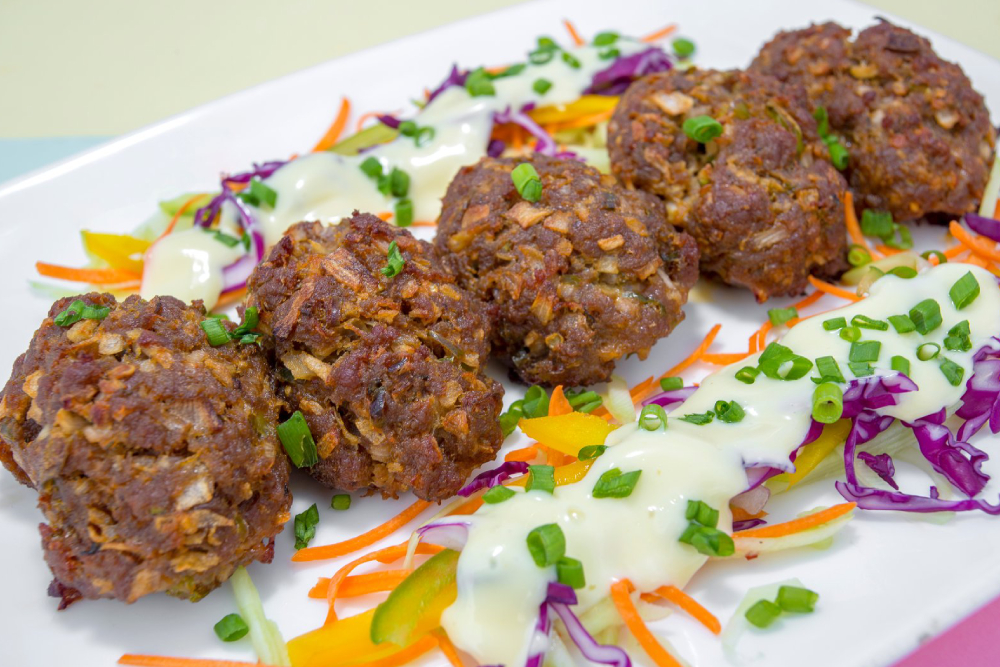
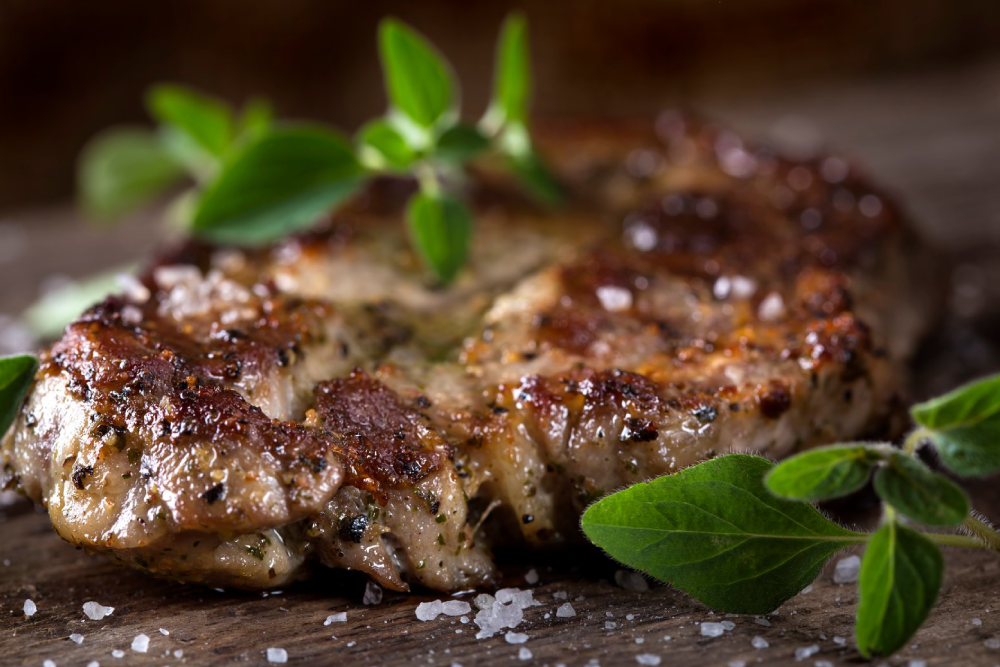
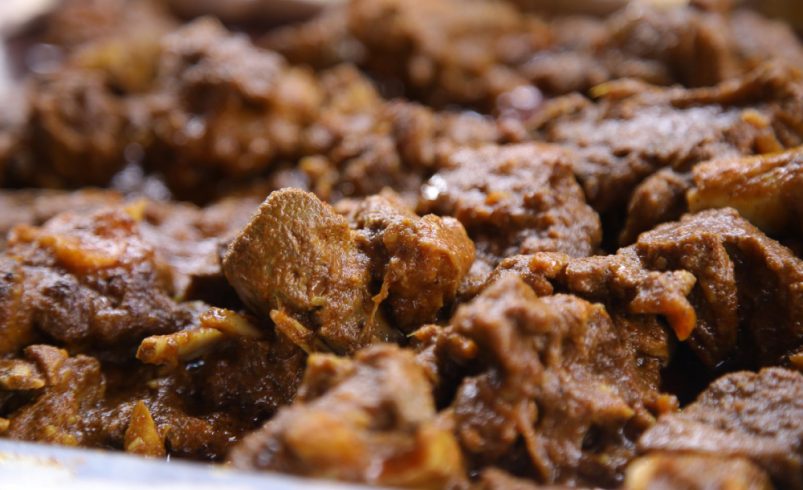

Mutton Roast for Eid Feast is one of the most luxurious and deeply flavorful dishes prepared during Eid celebrations. It is a true centerpiece of the festive table, known for its rich aroma, tender meat, and bold spices that reflect the essence of traditional cooking.
Eid is a time of joy, gratitude, and family gatherings, and food plays a central role in making the celebration complete. Among all the dishes served on Eid, mutton roast holds a special place because it is slow-cooked, deeply marinated, and prepared with care. Every bite carries a burst of spices and softness that melts in the mouth.
Unlike quick everyday meals, mutton roast requires patience and technique. The slow cooking process allows the meat to absorb spices fully, creating a dish that feels royal, hearty, and perfect for large gatherings.
Importance of Mutton Roast in Eid Celebrations
Mutton roast is not just another meat dish—it is a symbol of celebration and hospitality during Eid. In many households, it is served alongside biryani, naan, or pulao, making it one of the main highlights of the Eid feast.
It represents:
- Royal festive dining tradition
- Generosity and hospitality
- Special occasion cooking
- Family bonding over shared meals
Because mutton is considered a premium meat, its presence on the Eid table adds a sense of richness and celebration.
Ingredients for Eid Special Mutton Roast
Main Ingredients:
- Mutton pieces (bone-in preferred)
- Onions (sliced)
- Yogurt
- Ginger-garlic paste
- Tomatoes (optional for gravy style)
- Cooking oil or ghee
Spices:
- Red chili powder
- Turmeric powder
- Coriander powder
- Cumin powder
- Garam masala
- Black pepper
- Salt
Optional Enhancers:
- Green chilies
- Fresh coriander leaves
- Lemon juice
- Fried onions
Step 1: Preparing the Marinade
The key to a perfect mutton roast lies in its marination. Mutton pieces are mixed with yogurt, ginger-garlic paste, and all dry spices. This mixture helps tenderize the meat and allows flavors to penetrate deeply.
The marinade should be massaged into the meat properly so every piece is evenly coated. The mutton is then left to rest for at least 4–6 hours, or ideally overnight for maximum flavor absorption.
This step ensures that the final dish is juicy, tender, and rich in taste.
Step 2: Preparing the Base Gravy
In a heavy-bottom pot, oil or ghee is heated. Sliced onions are added and cooked until they turn golden brown. This caramelization adds sweetness and depth to the dish.
Once onions are ready, ginger-garlic paste is added and sautéed until raw smell disappears. Tomatoes can also be added at this stage for a richer gravy base.
This base forms the foundation of flavor for the mutton roast.
Step 3: Cooking the Mutton
Marinated mutton is added to the pot and cooked on high heat initially to seal in juices. The meat is stirred well so it mixes with the onion and spice base.
After a few minutes, heat is reduced to low and the mutton is allowed to cook slowly. Water is added gradually to ensure the meat becomes tender without drying out.
This slow cooking process is essential because mutton requires time to soften and absorb spices properly.
Step 4: Slow Cooking for Tender Texture
Mutton roast is best when cooked slowly over low heat. This allows the meat fibers to break down naturally, making it soft and juicy.
The gravy thickens during this process, and the spices blend into the meat completely. The aroma becomes rich, deep, and highly appetizing.
Occasional stirring ensures that the meat does not stick to the bottom and cooks evenly.
Step 5: Final Flavor Enhancement
Once the mutton becomes tender and the gravy reaches desired consistency, final seasoning is added.
Garam masala is sprinkled for extra aroma. Fresh green chilies and coriander leaves are added for freshness. A few drops of lemon juice can also be added to balance richness.
This final step enhances the overall taste and gives the dish its signature Eid flavor.
Serving Style of Mutton Roast
Mutton roast is served hot and fresh, usually as a main dish during Eid lunch or dinner.
It pairs perfectly with:
- Naan or tandoori roti
- Steamed rice or pulao
- Biryani as a side dish
- Yogurt raita
The thick gravy and tender meat make it a versatile dish that complements many Eid items.
Tips for Perfect Mutton Roast
- Always use bone-in mutton for richer flavor
- Marinate for at least 6 hours or overnight
- Cook on low flame for tenderness
- Do not rush the cooking process
- Use ghee for authentic Eid taste
Variations of Mutton Roast
Dry Mutton Roast
Less gravy, more spicy coating on meat.
Gravy Mutton Roast
Rich, thick curry-style version.
Spicy Eid Roast
Extra chili and bold spices for heat lovers.
Smoky Roast
Coal smoke added for restaurant-style flavor.
Nutritional Value
Mutton Roast provides:
- High protein from meat
- Healthy fats from ghee or oil
- Iron and minerals
- Energy-rich nutrients for festive meals
It is a rich dish best enjoyed in moderation during celebrations.
Final Thoughts
Mutton Roast for Eid Feast is a royal and flavorful dish that represents the true spirit of celebration. Its slow-cooked tenderness, rich spices, and deep aroma make it a must-have on every Eid table.
Whether served with naan, rice, or biryani, it always stands out as a luxurious main course that brings family and guests together.
Eid feels incomplete without a perfectly cooked mutton roast at the center of the table.