

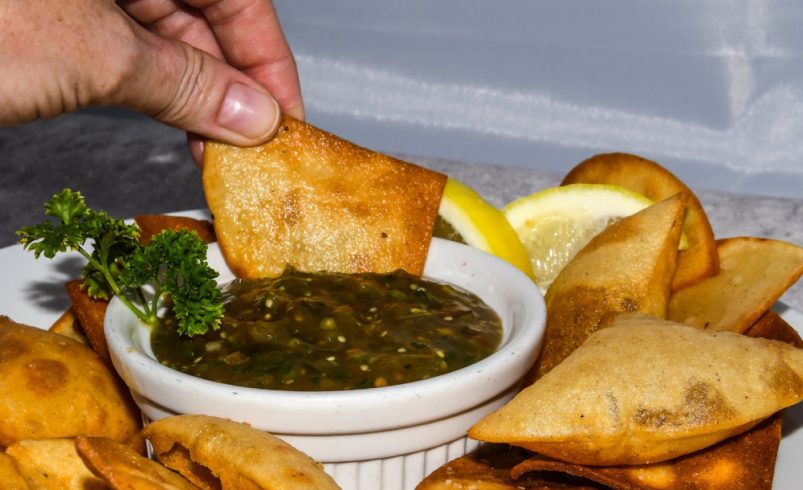

Easy Samosa & Chutney Platter is one of the most iconic and widely loved iftar dishes across South Asian households. During Ramadan, when the sun sets and families gather to break their fast, samosas are almost always present on the table. Their crispy golden exterior and spicy potato or meat filling make them a universal favorite.
What makes this dish even more special is when it is served as a platter with different chutneys, dips, and sides. Instead of serving plain samosas, a chutney platter elevates the experience, offering a combination of flavors—spicy, tangy, sweet, and creamy—all in one serving.
This dish is not only delicious but also practical. It can be prepared in advance, frozen, and fried fresh at iftar time, making it perfect for busy Ramadan evenings.
Importance of Samosas in Ramadan Iftar Culture
Samosas hold a deep cultural and traditional importance in Ramadan. In many South Asian homes, iftar feels incomplete without them. They represent:
- Tradition and heritage of Ramadan cuisine
- A quick source of energy after fasting
- A sharing dish for family and guests
- A comforting snack enjoyed with tea
The sound of samosas frying in hot oil is often associated with the excitement of iftar time. It creates an atmosphere of warmth and anticipation that brings families together.
Ingredients for Samosa Dough
To prepare crispy and flaky samosas, the dough must be perfect.
Dough Ingredients:
- All-purpose flour (maida)
- Salt
- Water (as required)
- Oil or ghee
The dough should be firm but soft enough to roll easily. A slightly stiff dough helps create crispy layers when fried.
Ingredients for Samosa Filling
Potato Filling (Classic Version):
- Boiled potatoes
- Green peas
- Green chilies
- Cumin seeds
- Coriander powder
- Red chili powder
- Salt
- Garam masala
- Fresh coriander leaves
Optional Meat Filling:
- Minced chicken or beef
- Onions
- Garlic and ginger paste
- Spices (same as above)
The filling should be dry, not watery, so the samosas stay crispy after frying.
Step 1: Preparing the Dough
Start by mixing flour and salt in a large bowl. Add oil or ghee and rub it into the flour until it resembles breadcrumbs. Slowly add water and knead until a firm dough forms.
Cover the dough and let it rest for at least 20–30 minutes. This resting time is important because it makes the dough soft and easier to roll.
Step 2: Preparing the Filling
Boil potatoes until soft, then mash them lightly. Heat a pan, add oil, and sauté cumin seeds, green chilies, and spices. Add mashed potatoes and mix well. Cook for a few minutes until the mixture becomes dry and well combined.
Add green peas and fresh coriander leaves at the end for freshness and texture. Let the filling cool completely before stuffing samosas.
Step 3: Shaping the Samosas
Roll the dough into small circles and cut each circle in half. Take one half and form a cone shape by sealing the straight edge with water.
Fill the cone with prepared potato mixture carefully. Do not overfill, as it may break during frying. Seal the open edge tightly using water and press firmly.
Repeat this process until all samosas are prepared.
Step 4: Frying the Samosas
Heat oil in a deep pan on medium flame. The oil should not be too hot; otherwise, samosas will burn outside and remain raw inside.
Carefully add samosas into the oil and fry slowly until they turn golden brown and crispy. Turn them occasionally for even cooking.
Once done, remove and place on paper towels to remove excess oil.
Step 5: Preparing the Chutney Platter
A samosa platter is incomplete without chutneys. The combination of different chutneys enhances the overall taste experience.
Green Chutney:
Made with mint, coriander, green chilies, lemon juice, and salt. It is fresh, spicy, and aromatic.
Tamarind Chutney:
Made with tamarind pulp, sugar, and spices. It adds a sweet and tangy flavor.
Yogurt Dip:
Made with yogurt, salt, cumin powder, and a pinch of chili powder. It provides a cooling effect.
These chutneys balance the richness of fried samosas.
Step 6: Assembling the Platter
Arrange freshly fried samosas on a large serving plate. Place small bowls of chutneys around them for easy dipping. Add lemon slices, sliced onions, and fresh herbs for decoration.
The final platter should look colorful, inviting, and festive—perfect for Ramadan iftar tables.
Serving Suggestions
Easy Samosa & Chutney Platter is best served:
- Fresh and hot at iftar time
- With tea for a traditional combination
- Alongside fruit chaat for balance
- As part of a larger iftar spread
It is also perfect for gatherings and family dinners during Ramadan.
Tips for Perfect Samosas
- Always use firm dough for crispiness
- Do not overfill samosas
- Seal edges tightly to avoid breaking
- Fry on medium heat only
- Prepare filling in advance for better flavor
Common Mistakes to Avoid
- Soft dough → soggy samosas
- High flame frying → burnt exterior
- Wet filling → broken samosas
- Overcrowding pan → uneven cooking
Variations of Samosas
Chicken Samosa
Filled with spicy minced chicken.
Vegetable Samosa
Loaded with mixed vegetables.
Cheese Samosa
Modern version with melted cheese filling.
Mini Samosas
Perfect bite-sized version for parties.
Nutritional Value
Samosas provide:
- Energy from carbohydrates
- Protein from meat or peas
- Fats from frying oil
- Spices that aid digestion
They are best enjoyed in moderation during Ramadan.
Final Thoughts
Easy Samosa & Chutney Platter is a perfect combination of tradition, flavor, and festive presentation. It brings together crispy samosas and flavorful chutneys in one beautiful serving that completes the Ramadan iftar experience.
Whether served at home with family or at large gatherings, this platter always remains a favorite choice that never goes out of style.