

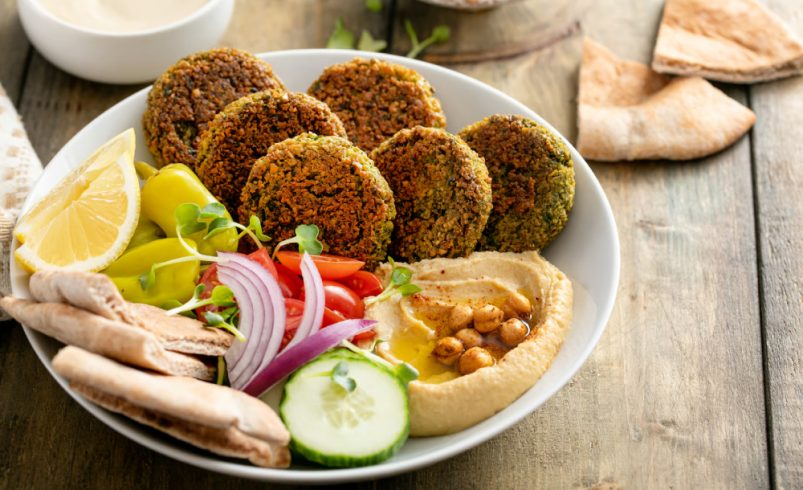

Hummus and Falafel are two of the most iconic and loved dishes in Middle Eastern cuisine. They are not only delicious but also healthy, plant-based, and incredibly satisfying. Together, they make a perfect platter that is enjoyed as a snack, appetizer, or even a full meal.
Hummus is a creamy dip made from chickpeas, tahini, olive oil, lemon juice, and garlic. Falafel, on the other hand, is made from ground chickpeas or fava beans, mixed with herbs and spices, then shaped into balls or patties and deep-fried until crispy on the outside and soft inside.
In this guide, you will learn how to make a restaurant-style Hummus and Falafel platter at home step by step.
What is Hummus?
Hummus is a smooth and creamy dip that originates from the Middle East. It is traditionally served with pita bread, vegetables, or as part of a mezze platter.
The word “hummus” literally means chickpeas in Arabic, which is the main ingredient of this dish.
What is Falafel?
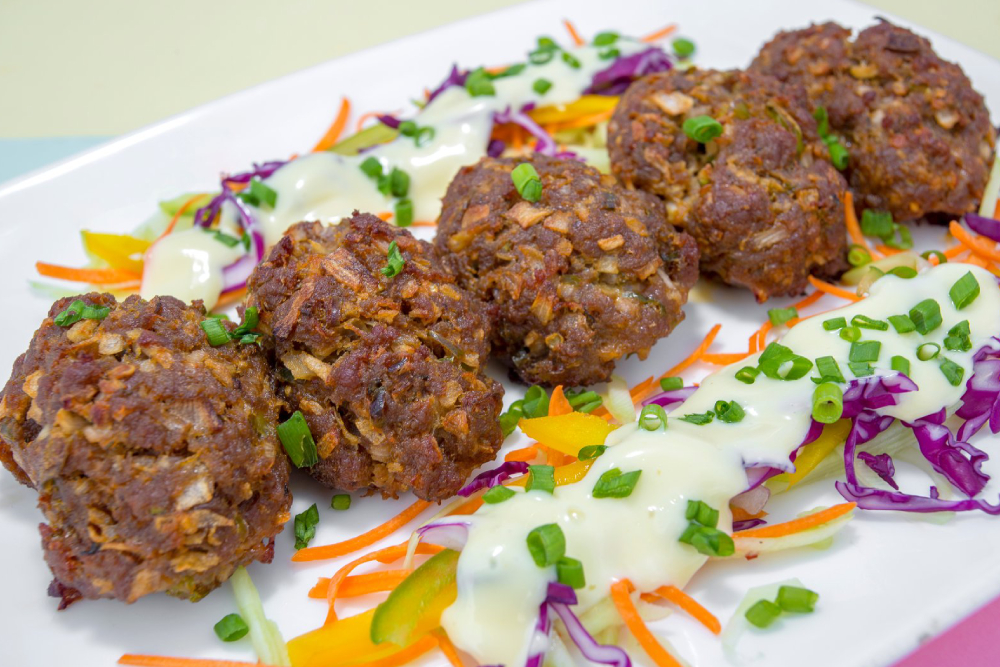
Falafel is a deep-fried ball or patty made from soaked chickpeas or fava beans mixed with herbs like parsley and coriander, along with garlic and spices.
It is crispy on the outside, soft on the inside, and packed with flavor. Falafel is often served in wraps, sandwiches, or as part of a platter.
Why You’ll Love This Recipe
- Completely vegetarian and halal
- High in protein and fiber
- Budget-friendly ingredients
- Perfect for meal prep
- Great for snacks, lunch, or dinner
Ingredients
For Hummus:
- 1 can chickpeas (or 1.5 cups boiled chickpeas)
- 3 tablespoons tahini (sesame paste)
- 2 tablespoons olive oil
- 2 tablespoons lemon juice
- 2 garlic cloves
- ½ teaspoon cumin powder
- Salt to taste
- 2–4 tablespoons cold water (for texture)
For Falafel:
- 2 cups dried chickpeas (soaked overnight)
- 1 small onion (chopped)
- 4 garlic cloves
- 1 cup fresh parsley
- 1 cup fresh coriander
- 1 teaspoon cumin powder
- 1 teaspoon coriander powder
- 1 teaspoon baking soda
- Salt to taste
- Oil for deep frying
For Platter Serving:
- Pita bread or flatbread
- Sliced cucumbers
- Sliced tomatoes
- Lettuce
- Pickles
- Olives (optional)
- Tahini sauce or garlic sauce
Step-by-Step Recipe
How to Make Hummus
1. Prepare Chickpeas
If using canned chickpeas, rinse and drain them well. If using dried chickpeas, soak overnight and boil until soft.
Soft chickpeas are key for creamy hummus.
2. Blend Ingredients
In a blender or food processor, add:
- Chickpeas
- Tahini
- Lemon juice
- Garlic
- Cumin
- Salt
Blend until smooth.
3. Adjust Texture
Add cold water gradually while blending until you get a smooth and creamy consistency.
4. Add Olive Oil
Drizzle olive oil and blend again lightly.
5. Serve Hummus
Transfer to a bowl, make a swirl on top, and drizzle olive oil. You can also sprinkle paprika or chopped parsley.
Tips for Perfect Hummus
- Remove chickpea skins for extra smooth texture
- Use fresh lemon juice
- Don’t skip tahini—it gives authentic flavor
- Blend well for creaminess
- Serve chilled for best taste
How to Make Falafel
1. Soak Chickpeas
Soak dried chickpeas overnight in plenty of water.
Do NOT use boiled chickpeas for falafel—they must be raw soaked.
2. Prepare Falafel Mixture
In a food processor, add:
- Soaked chickpeas (drained)
- Onion
- Garlic
- Parsley
- Coriander
- Cumin
- Coriander powder
- Salt
Blend until coarse (not a paste).
3. Add Baking Soda
Mix in baking soda to help falafel become light and fluffy inside.
4. Rest the Mixture
Let the mixture rest for 30–60 minutes.
5. Shape Falafel
Form small balls or patties using your hands or a scoop.
6. Fry Falafel
Heat oil in a deep pan and fry until golden brown and crispy.
Drain on paper towels.
Tips for Perfect Falafel
- Do not over-blend the mixture
- Oil must be hot before frying
- Use fresh herbs for best flavor
- Resting the mixture improves texture
- Keep falafel small for even cooking
How to Assemble the Platter
Now comes the fun part—building your hummus and falafel platter.
Step 1: Base Layer
Spread hummus in a large serving plate. Make a swirl pattern using a spoon.
Step 2: Add Falafel
Place crispy falafel on one side of the platter.
Step 3: Add Fresh Vegetables
Arrange:
- Cucumbers
- Tomatoes
- Lettuce
- Pickles
Step 4: Add Bread
Place warm pita bread or flatbread on the side.
Step 5: Drizzle Sauces
Add tahini sauce or garlic sauce on top.
Serving Suggestions
This platter can be served as:
- Appetizer for parties
- Healthy lunch option
- Light dinner meal
- Snack plate
It pairs well with:
- Fresh lemon wedges
- Yogurt dip
- Olives
- Pickled vegetables
Variations
1. Spicy Hummus
Add chili flakes or roasted red pepper.
2. Beetroot Hummus
Adds color and sweetness.
3. Baked Falafel
Healthier version instead of frying.
4. Falafel Wrap
Serve in pita bread with veggies and sauce.
Nutritional Benefits
Hummus and falafel are very healthy:
- High in plant-based protein
- Rich in fiber
- Good for digestion
- Healthy fats from olive oil and tahini
They are perfect for vegetarian and vegan diets.
Common Mistakes to Avoid
- Using cooked chickpeas for falafel
- Not blending hummus enough
- Skipping tahini
- Over-frying falafel
- Not soaking chickpeas long enough
Storage Tips
- Hummus: store in fridge for 3–5 days
- Falafel mixture: store uncooked for 1–2 days
- Cooked falafel: best eaten fresh but can be reheated
Why This Recipe Works
This recipe works because it stays true to traditional Middle Eastern cooking techniques while being simple enough for home kitchens. Proper soaking, fresh herbs, and balanced seasoning are key to achieving authentic taste.
Final Thoughts
The Hummus and Falafel platter is a perfect example of how simple ingredients can create something incredibly delicious and nutritious. It is versatile, budget-friendly, and loved all over the world.
Whether you are preparing it for family, guests, or just yourself, this platter will always impress with its flavor, texture, and presentation.